
You’re riding through Downtown San Diego, traffic is moving, the conversation is casual, and then it happens. A sudden stop. A jolt. Sirens near I-5 or I-805. In that moment, most people assume one thing: Uber or Lyft will handle it. The reality is more complicated.
Rideshare insurance is the combination of policies that may apply depending on whether an Uber or Lyft driver was off the app, waiting for a ride request, on the way to pick someone up, or actively transporting a passenger at the time of the crash. In San Diego, this creates confusion fast. Multiple insurers may be involved, trip status can be disputed, recorded statements happen early, and medical bills often arrive long before liability is sorted out.
This guide breaks down how those insurance periods actually work, what injured passengers versus other drivers can claim, how uninsured or underinsured motorist coverage comes into play, the mistakes that derail valid claims, and when it makes sense to get legal guidance before things spiral.
Why Does This Matter for San Diego Riders?
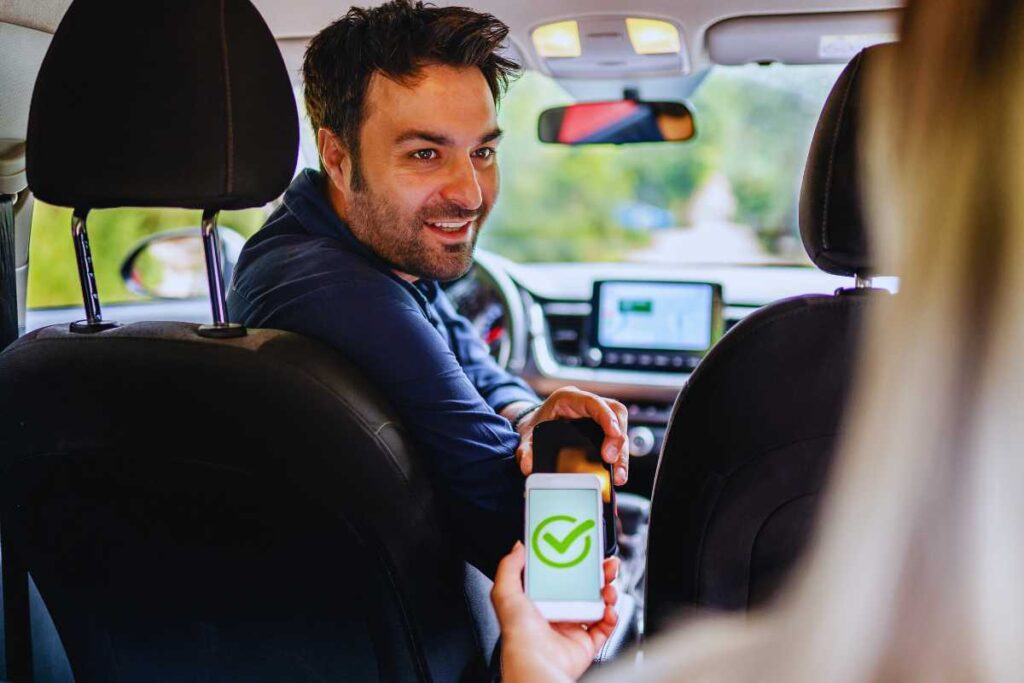
In San Diego, rideshare accidents don’t just affect people sitting in the back seat. A routine Uber near the airport, a Lyft cruising through Gaslamp, or a driver waiting on I-805 can pull a lot of people into one insurance mess. And most of them don’t realize it until the phone calls start.
This issue matters because the group at risk is wider than most people expect. Injured passengers are only one part of it. Pedestrians, cyclists, and other drivers hit by a rideshare vehicle are often pulled into the same coverage maze, even though they never opened the app themselves.
- Who this applies to: Injured passengers, pedestrians, cyclists, and drivers struck by an Uber or Lyft vehicle can all face different insurance outcomes, even from the same crash.
- Why it gets legally complicated: Coverage depends on app status, fault, and which policy is legally primary. A driver logged off the app triggers personal insurance. A driver waiting for a ride request triggers contingent coverage. An active trip brings in higher rideshare limits. Each shift changes the claim strategy.
What this guide does is bring structure to that confusion. It shows how coverage decisions are actually made, what documentation protects your position, and how to avoid early mistakes that quietly undermine a legitimate San Diego rideshare claim.
The First Thing Insurance Will Ask: Was the App On?
After a rideshare crash, insurers don’t begin with fairness or fault. They begin with status. Before anyone talks about injuries, liability, or damages, the first question is almost always the same: was the Uber or Lyft app on at the moment of impact? That single detail determines which policy applies, how much coverage is available, and how hard the claim will be to resolve.
What Are Uber and Lyft “Insurance Periods”?
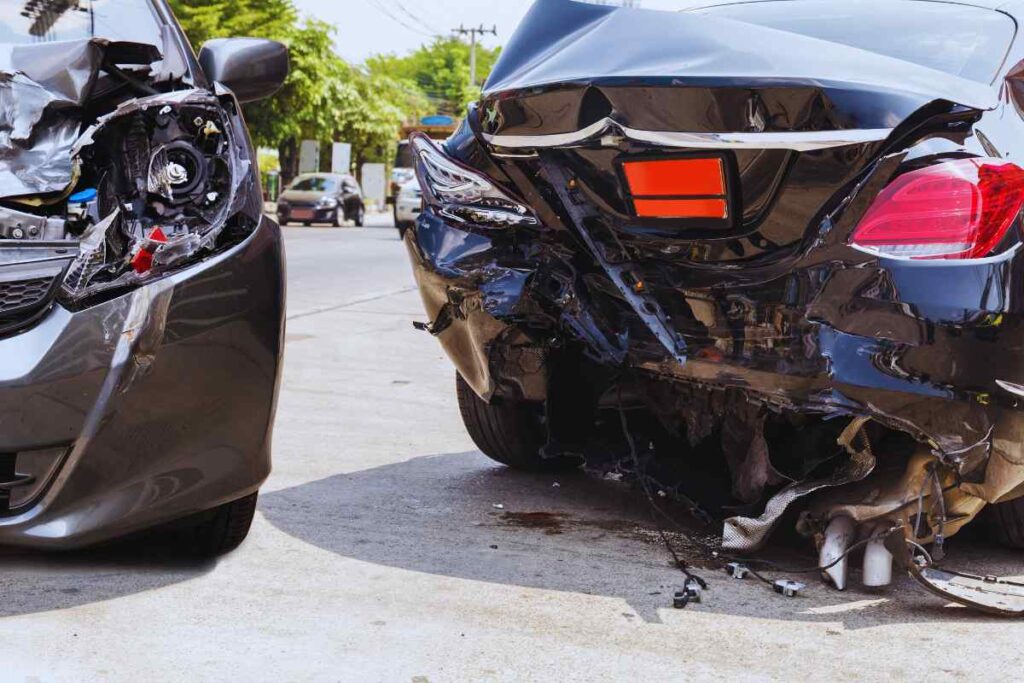
Yes, trip status changes coverage. Uber and Lyft divide every drive into distinct insurance periods, and each one triggers a different layer of protection.
In plain terms, here’s how it works.
- App off, personal driving: The driver is using the car for personal reasons. Only the driver’s personal auto insurance applies, just like any other private vehicle on San Diego roads.
- App on and waiting for a request: The driver is logged in but hasn’t accepted a ride yet. This activates contingent rideshare coverage, which only steps in if the personal policy won’t.
- Accepted ride and en route to pickup: The driver has matched with a passenger and is heading to them. Higher rideshare liability coverage applies during this phase.
- Passenger in the car until drop-off: The trip is active. This is when the highest levels of rideshare coverage are typically available.
Each shift in status changes which insurer is primary and how aggressively claims are handled.
What Proof Shows Trip Status?
Trip status must be documented. Insurance companies rely on records, not recollections, and they look for specific proof early in the claim.
That proof usually includes the trip receipt showing timestamps, route maps, driver details, and ride ID numbers. Screenshots taken on a phone immediately after the crash can be powerful, especially if the app was still open. Later on, trip logs provided by Uber or Lyft may also confirm whether a ride was active, canceled, or never accepted.
Why Does Period 1 Cause So Many Coverage Fights?
This is where many claims slow down. Period 1, when the app is on but no ride has been accepted, creates the most friction because coverage is contingent. That means the rideshare insurer often waits to see whether the driver’s personal insurance will deny the claim before stepping in.
This back-and-forth can delay medical payments, statements, and settlement discussions, especially when insurers disagree about fault or timing.
Which Insurance Is Primary in a Rideshare Accident?
It depends on the facts. Here’s the thing: insurance companies care about “primary” because it determines who has to step up first, who can wait, and who gets to argue about it.
If another driver caused the crash, that driver’s liability insurance is typically first in line, even if you were in an Uber or Lyft at the time. If the Uber or Lyft driver caused the crash, rideshare coverage may be primary depending on the driver’s app status, which is why “was the app on” becomes the opening question in almost every claim.
If fault is unclear or multiple vehicles are involved, you can see parallel investigations where two or more carriers gather statements, request records, and try to pin down responsibility before anyone talks settlement.
What If the Driver Says the App Was Off?
Contradictions happen more often than people expect. Disputes usually surface through ride history records, phone location data, cancellation logs, or gaps between app activity and crash timing. These details matter, because a single status change can shift responsibility from one insurer to another.
Understanding how these periods work helps you see why insurers focus so heavily on app status and why documenting it correctly from the start protects your claim.
What Coverage Applies If You Were the Passenger?

Most passengers assume that if they’re injured in an Uber or Lyft, the rideshare company automatically steps in and pays the bills. That assumption makes sense, but it’s also where a lot of confusion starts. Rideshare coverage exists, but it does not bypass the basic rules of liability or the reality of how medical payments actually move through the system.
Does Uber or Lyft Automatically Pay Your Medical Bills?
No, not automatically. Rideshare claims are still fault-based, which means insurers do not simply write checks the moment an injury is reported. Liability has to be established first, and that process takes time. While the investigation unfolds, medical care doesn’t pause, and most treatment has to be paid for through other channels.
In practice, this catches many San Diego passengers off guard. They expect the rideshare insurer to act like immediate health coverage, when in reality it functions more like a back-end payer once fault and responsibility are confirmed.
What Usually Pays First in Real Life?
There is a typical payment sequence. It isn’t formal, but it shows up again and again in real claims.
Health insurance is usually first in line because it pays providers quickly and keeps treatment moving. Depending on the policy involved, medical payments coverage may also help with early expenses. The liability claim, whether through Uber, Lyft, or another driver’s insurer, usually comes later and often reimburses those payors through liens or subrogation once the case resolves.
Understanding this order matters because delays or gaps in care can create problems that have nothing to do with the injury itself.
What If You Were Hurt but Nobody Is “Admitting Fault” Yet?
You can still start a claim. Fault does not need to be resolved on day one for a passenger to protect their rights. What matters early is documentation and consistency.
Medical records that clearly tie symptoms to the crash, follow-up care that reflects ongoing issues, and notes that describe how the collision happened all help establish the foundation of a claim. Even when insurers are still arguing about responsibility, this early evidence keeps the case from stalling or being minimized later.
This is why passengers benefit from understanding coverage mechanics early, rather than waiting until fault disputes are already baked into the record.
What Coverage Applies If You Were Hit by a Rideshare Driver?
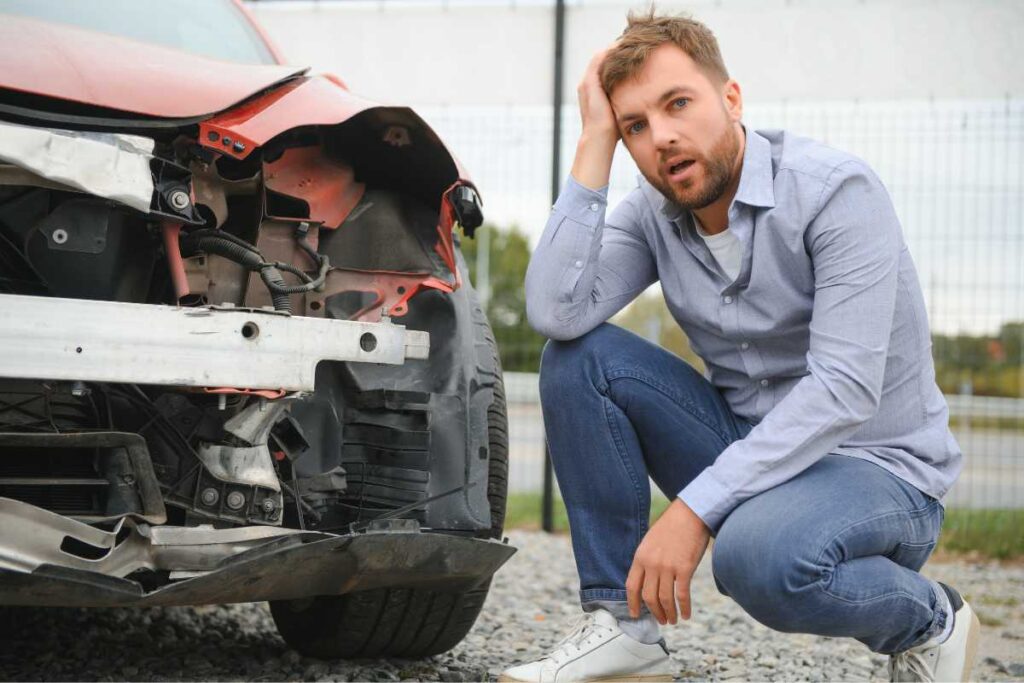
This is the point where a lot of non-passengers get blindsided. When people hear “Uber” or “Lyft,” they assume a large corporate policy automatically covers everything. In reality, third-party drivers often face more confusion than passengers because coverage depends on details they don’t control and usually don’t know at the scene.
If You’re the Other Driver, Do You File With Uber or Lyft or With the Driver?
It depends on both trip status and fault, and those two factors decide which insurer even has to respond.
If the rideshare driver caused the crash, the rideshare policy may apply, but only if the driver was logged into the app in a qualifying period. If the driver was off the app, their personal auto insurance is typically first in line, just like any other San Diego crash.
If another driver caused the collision, that driver’s liability insurance usually takes priority, even if an Uber or Lyft vehicle was involved. The presence of a rideshare car does not automatically shift responsibility or expand coverage unless the rideshare driver was actually at fault and actively covered at the time.
What If the At-Fault Driver Has Low or No Insurance?
Uninsured or underinsured motorist coverage can matter a lot here. UM or UIM coverage is designed to protect you when the at-fault driver cannot fully pay for the damage they caused, either because they have no insurance or because their policy limits are too low.
This issue shows up frequently in San Diego rideshare crashes, especially when multiple vehicles are involved or when minimum-limit policies are exhausted quickly.
Where Can UM or UIM Coverage Come From?
There may be more than one source. In many cases, your own auto policy’s UM or UIM coverage is the first place to look, assuming it applies to the type of crash and vehicle involved. In some situations, rideshare policies may also include UM or UIM coverage, but the availability and limits depend on trip status and specific policy terms.
Because these layers overlap and change based on timing, confirming coverage early can make the difference between a resolved claim and months of stalled negotiations.
Property Damage and Lost Property in a Rideshare Crash
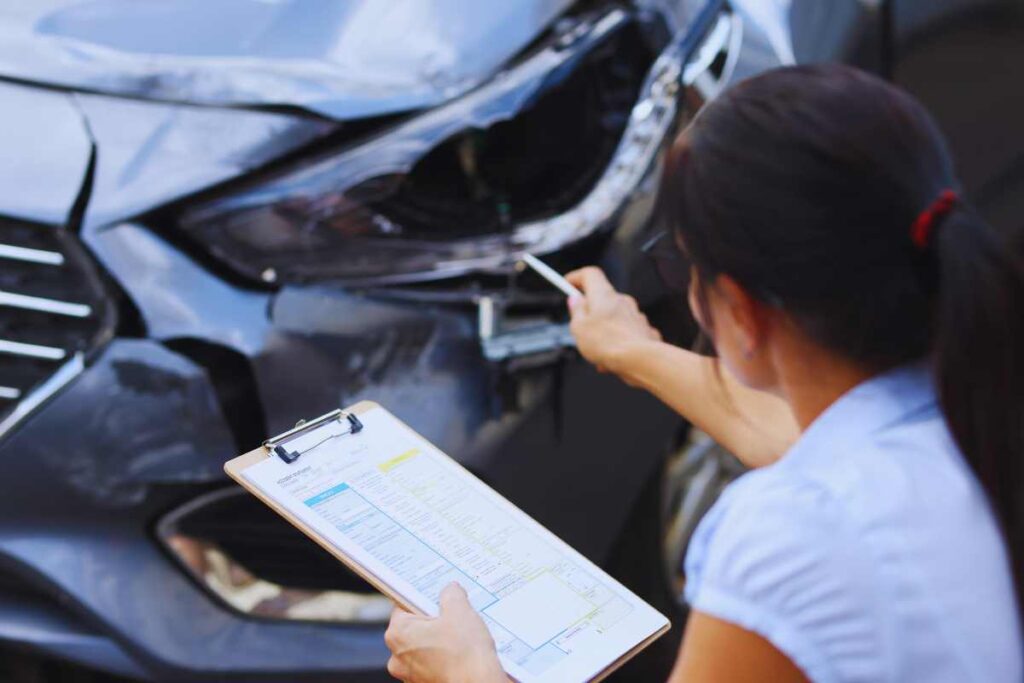
Right after a crash, most people think about medical care first. Then reality hits: the phone is shattered, the laptop bag is gone, or your car is damaged if you were the other driver. Those losses are real, and they deserve clean documentation.
Who Pays for Property Damage in Uber or Lyft Accidents?
Property damage can be covered, but liability usually has to be established first. In plain terms, the insurance carrier typically wants to confirm who caused the crash and which policy applies before paying for repairs or replacement.
Common property damage or loss issues include vehicle repairs, phones or tablets, and luggage or work equipment. The fastest way to avoid a drawn-out back-and-forth is to document what was damaged and when.
If it helps, here’s what tends to make these claims smoother:
- Proof of ownership: receipts, purchase confirmations, or photos showing the item before the crash.
- Proof of condition: clear photos of the damage taken at the scene or immediately after.
- Proof it was connected to the crash: a short note in your report or statement that the item was in the car during impact.
Who Pays First After a San Diego Rideshare Crash?
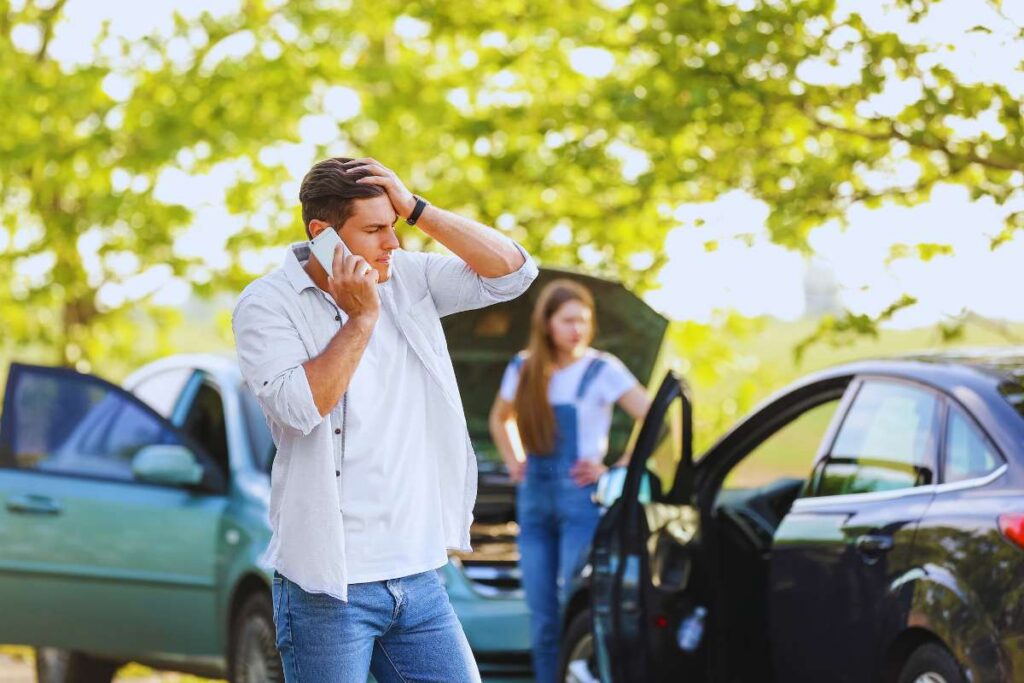
After a rideshare accident, the biggest stressor for most people isn’t fault. It’s the bills. Medical care doesn’t wait for insurance investigations, and rideshare injury claims often move slower than standard car accidents.
Do Uber or Lyft Pay Medical Bills Right Away?
No. Rideshare insurers do not act as immediate payors. Because liability must be established first, treatment is usually billed elsewhere while coverage is sorted out.
In real life, health insurance is often the first layer to pay providers so care can continue. Medical payments coverage may help in limited situations, depending on the policy involved. Liability settlements typically come later and may reimburse those early payors through liens or subrogation. Understanding this sequence helps explain why bills arrive before answers.
How California’s Comparative Negligence Rules Affect Rideshare Claims
San Diego rideshare crashes are rarely “clean.” One lane change near the I-5 merge, a sudden stop on I-805, or a chain reaction on SR-163 can turn into a multi-party blame game fast. That’s where California’s fault rules start shaping timelines and payouts.
Is California a Fault State for Car Accidents?
Yes, California is a fault based system. That means the at-fault party’s insurance is typically responsible for damages, and insurers spend a lot of time disputing fault or liability to reduce what they pay.
This is also why you will hear adjusters talk about “percentages” of fault. They are not doing math for fun. They are building a case for paying less.
What Is Comparative Negligence and Does It Matter for Passengers?
Yes, but passengers are rarely assigned fault. Passengers usually are not the ones driving, so comparative negligence is more likely to affect the drivers involved, especially in multi-vehicle crashes where everyone claims they were pushed, cut off, or forced to brake.
Where passengers can still get caught in the friction is not usually “fault.” It’s causation questions, like whether the crash actually caused the injury you are reporting, especially with delayed symptoms like back pain, neck strain, or concussion signs.
The Most Common Mistake: Assuming Prop 22 Changes Coverage

Prop 22 comes up in almost every rideshare crash conversation, and usually at the wrong time. Someone mentions it, someone else says Uber drivers are independent contractors, and suddenly people assume the insurance rules must be different too. That assumption causes confusion and, in some cases, real damage to a claim.
Does Prop 22 Change Uber or Lyft Auto Insurance Coverage?
No, Prop 22 does not change the core auto insurance coverage for Uber or Lyft crashes. Proposition 22 primarily addresses how rideshare drivers are classified and what benefits they may receive. It does not rewrite California’s liability rules or replace the insurance framework that applies when a crash happens.
Auto accident claims involving rideshare vehicles are still governed by trip status, fault, and existing insurance policies. Those rules existed before Prop 22 and continue to apply today. The reason Prop 22 keeps surfacing is not because it controls coverage, but because it changed how people talk about rideshare drivers, which creates the false impression that everything else changed too.
What Can Prop 22 Affect in Real Life?
It can still influence conversations in indirect ways. Discussions about driver benefits often distract from the actual insurance claim path, especially when people conflate employment status with liability coverage. That confusion can lead to delays, incorrect assumptions, or statements made to adjusters that muddy the record.
Keeping Prop 22 in its proper lane helps claims stay focused on what actually matters: who was at fault, what coverage applies, and how the injury is documented.
What Do I Say to the Adjuster? The Statement Trap
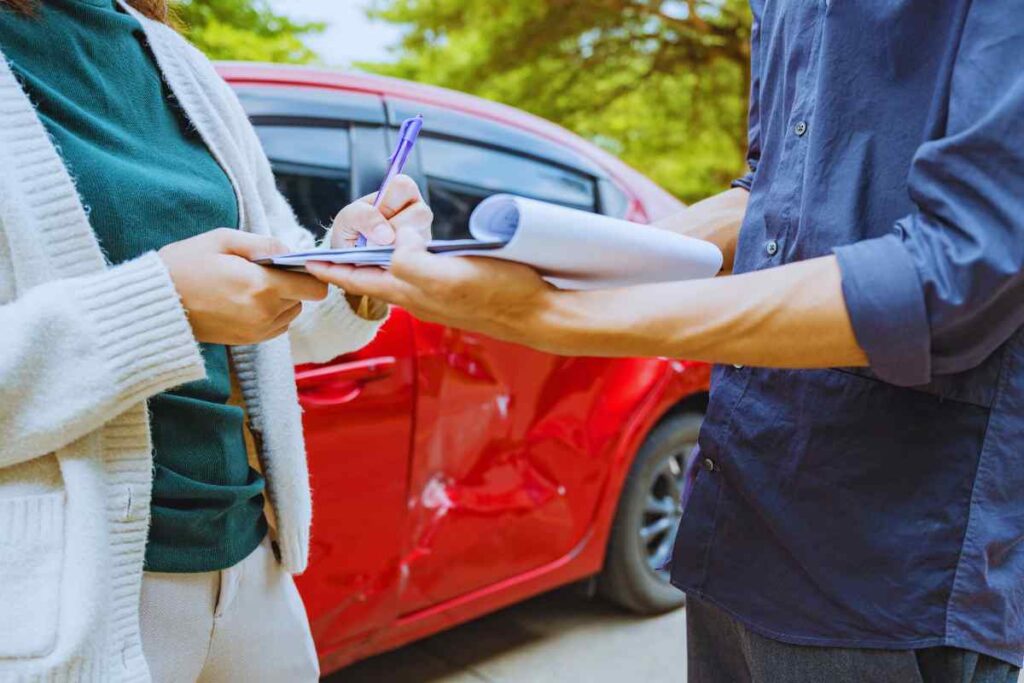
After a rideshare crash, the call often comes sooner than expected. The adjuster sounds calm, professional, even helpful. They say they just need to get a few details on the record. What many people don’t realize is that this early conversation can quietly shape the entire claim.
Should You Give a Recorded Statement Right Away?
No, not until you understand what’s being asked and why. Recorded statements are not casual check-ins. They are evidence, and once something is said, it becomes part of the file that insurers refer back to later.
Problems usually don’t come from dishonesty. They come from timing. Pain often shows up hours or days later. Details about lanes, speeds, or who had the light can be unclear in the moment. Trip status can also be confusing, especially in rideshare crashes where app activity matters. A statement given too early can lock in incomplete or inaccurate details that are hard to correct later.
What’s Safe to Share Early?
There are limits on what’s appropriate to say at the start. Keeping it simple protects you without stalling the claim.
You can safely confirm basic identifying information and where the crash happened. It’s also reasonable to state that you are seeking or plan to seek medical evaluation. Beyond that, it’s important to avoid guessing. Estimating speeds, assigning fault, or trying to reconstruct timelines before you’ve had time to process the event often creates inconsistencies that insurers later use to challenge credibility.
Understanding this trap helps keep early communication from doing long-term damage to an otherwise valid claim.
Why Insurance Disputes Are Common in San Diego Rideshare Claims
Rideshare insurance disputes rarely happen by accident. They happen because adjusters are working with incomplete information, overlapping policies, and incentives that reward delay.
Why Do Adjusters Delay Coverage Decisions?
Because coverage depends on data, not assumptions. Adjusters often wait on app records, trip timestamps, police reports, and statements from multiple drivers before confirming which policy applies. In San Diego crashes involving tourists, rentals, or freeway pileups, that data can take weeks to align.
Delays also limit early payouts. Until coverage is confirmed, insurers avoid committing to responsibility. This is why clear documentation and careful early communication matter more in rideshare cases than in ordinary accidents. To know more information you can read our comprehensive guide one why insurance claims are delayed in San Diego.
San Diego Factors That Make These Claims Harder

Not all rideshare crashes are created equal, and San Diego adds its own complications. Between freeway-heavy commuting, tourism, and constant rideshare traffic, these cases often involve more moving parts than people expect. What looks like a simple accident at first can quickly turn into a layered insurance problem.
Why Are Multi-Car Pileups More Common on San Diego Freeways?
Yes, chain-reaction crashes significantly complicate fault. Corridors like I-5, I-805, SR-163, and SR-52 see dense traffic, sudden braking, and frequent lane changes, especially during rush hours and near interchanges. When one vehicle stops abruptly, several others may be pulled into the collision within seconds.
In these situations, liability is rarely clean. Insurers often split fault among multiple drivers, each with different policies and limits. That division slows everything down. Claims take longer to investigate, statements get compared across drivers, and coverage decisions can’t move forward until responsibility is sorted out.
Do Tourists and Out-of-Area Drivers Change Claim Dynamics?
Yes, they often do. San Diego’s tourism means many crashes involve out-of-state drivers, rental vehicles, or visitors unfamiliar with local roads. That introduces insurers from different states, policies written under different rules, and drivers who may leave the area before statements or follow-ups are completed.
Missing witnesses, delayed reports, and unfamiliar insurance carriers all add friction. For rideshare claims layered on top of that complexity, timelines stretch, communication breaks down, and early documentation becomes even more important.
What You Should Document to Protect Coverage
The strongest rideshare claims usually look boring on paper. There’s no drama in the file, no missing pieces, no guesswork. That’s not an accident. Insurance companies move faster and push back less when the documentation tells a clear, consistent story from the beginning.
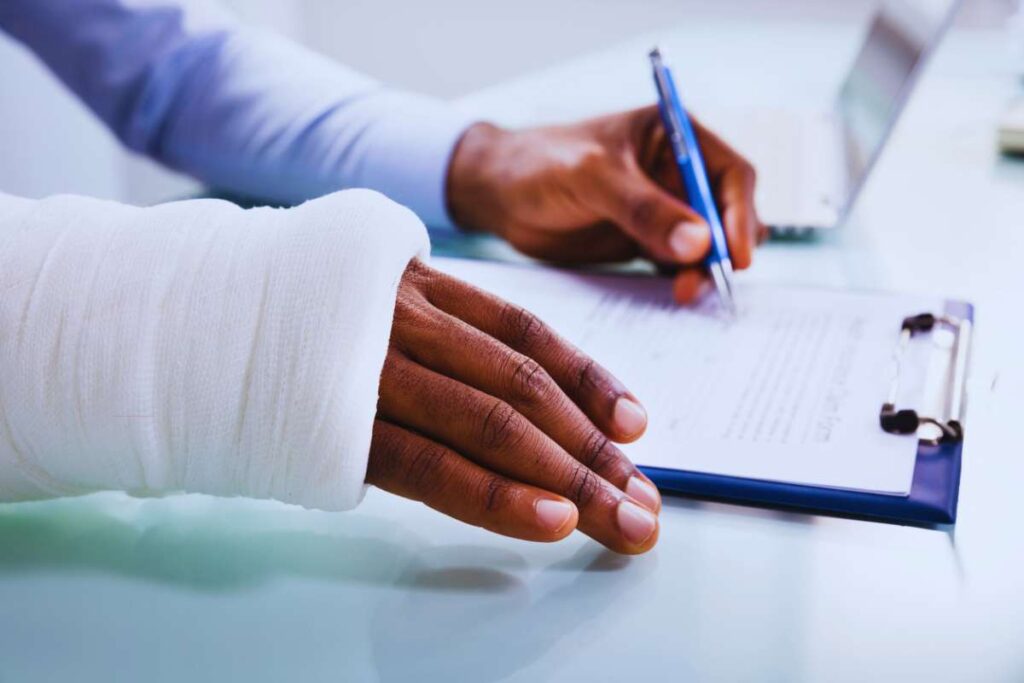
What Evidence Proves a Rideshare Insurance Claim?
Documentation often decides the outcome. In rideshare cases, proof matters even more because coverage depends on timing, trip status, and how the crash unfolded. The goal isn’t to overwhelm the file. It’s to make it hard for insurers to question what happened and when.
Which Records Matter Most?
Certain records consistently carry the most weight in rideshare insurance reviews.
- Trip receipts and screenshots: These show timestamps, routes, driver details, and ride status. Screenshots taken right after the crash can be especially useful if app status is later disputed.
- Police report information: The report number and the responding agency help insurers verify the crash quickly and confirm who was involved.
- Photos from the scene: Images of vehicle damage, street signs, lane markings, and visible injuries help lock in conditions that may change within hours.
- Medical visit summaries and follow-up notes: These connect your symptoms to the crash and show that care was consistent, not sporadic.
- Wage loss documentation: Pay stubs or an employer letter help support lost income claims tied to missed work.
This is also where understanding how insurers evaluate proof becomes important. Clear, organized records often matter more than volume. If you want a deeper breakdown of how insurers weigh different types of proof, documenting evidence in a San Diego personal injury claim is a topic worth understanding early.
Is In-App Reporting Enough to Protect Your Claim?
A lot of people assume the in-app crash report is the same thing as a real insurance claim. It is not. The app makes it easy to notify the platform, but claims still live and die on evidence, timelines, and medical documentation.
No, in-app reporting is not enough by itself. It can help create an initial record, but it does not replace the work that actually protects coverage, like getting the correct crash report, identifying all insurers involved, preserving proof of trip status, and documenting injuries through medical care.
Think of the app report as a starting point, not a finish line. If you rely on it alone, you can end up with missing details that carriers later use to question fault, timing, or even whether you were on an active trip.
Do Gaps in Treatment Hurt a Rideshare Injury Claim?
Yes, they often do. Insurance companies tend to interpret gaps in care as a sign that injuries were either minor or unrelated to the crash. From their perspective, if treatment stopped for weeks and then resumed, it raises questions about what caused the symptoms.
In reality, gaps happen for understandable reasons. People try to push through pain, work schedules get in the way, or insurance issues slow appointments. The problem is that insurers don’t see intent, they see timelines. Consistent medical follow-up helps protect the connection between the crash and the injury, which becomes critical when coverage or compensation is later challenged.
When to Talk to a San Diego Rideshare Accident Lawyer

Not every rideshare crash turns into a legal case. Some are minor, coverage is clear, and claims resolve without much friction. The problem is that rideshare accidents often don’t stay simple. When coverage questions or fault disputes start stacking up, early legal guidance can prevent small issues from becoming permanent problems.
Do You Need a Lawyer for Every Uber or Lyft Accident?
No, you don’t. If injuries are minor, fault is clear, and insurers are cooperating, a lawyer may not be necessary. That changes quickly when coverage is disputed or when more than one insurer starts pointing fingers. Rideshare claims are uniquely sensitive to timing, statements, and documentation, and early mistakes are hard to undo later.
In situations like this, speaking with a San Diego rideshare accident attorney can help clarify which insurance policy actually applies and prevent early missteps that insurers later use to limit coverage.
What Are Clear Signs You Need Legal Help Now?
There are clear red flags. These don’t always show up all at once, but when they do, delays usually follow.
An emergency room visit or a referral for imaging or surgery often signals that the injury is more serious than it first appeared. Questions about uninsured or underinsured motorist coverage suggest that available insurance may not be enough. Multi-vehicle crashes introduce competing versions of events and split liability. Pressure to settle early, especially before treatment is complete, is another warning sign. So are repeated requests for recorded statements or conflicting claims about whether the rideshare app was on at the time of the crash.
When those patterns appear, it’s usually a sign that the claim is no longer just about reporting an accident. It’s about protecting coverage and keeping control of the narrative before decisions are made without you.
Reporting and Deadline Traps That Hurt Rideshare Claims
Most rideshare claims do not fall apart because someone forgot a magic word. They fall apart because deadlines get missed, paperwork is incomplete, or the right report never gets filed. It’s boring, but it matters.
Do You Need to File an SR-1 With the California DMV?
Yes, if the crash meets California DMV reporting rules. California requires a Traffic Accident Report (SR-1) to be filed with the DMV within 10 days when a crash causes injury or death, or when property damage exceeds the DMV’s threshold. This is separate from any police report and separate from your insurance claim.
The practical point is simple: if you are unsure whether the threshold applies, it is safer to confirm the rule and file correctly than to assume the police report covers it.
What Is the Deadline to Sue for a California Rideshare Accident?
Yes, there is a legal deadline, and missing it can end the case. For most California personal injury claims, the statute of limitations is two years from the date of injury under California law. Some claims can be shorter or have special rules, depending on the parties involved and the type of claim.
What If a Government Vehicle Was Involved?
Deadlines can be much shorter. Claims involving a city, county, or other government entity often require a separate claims process with shorter notice periods than standard injury cases. This is one of those situations where waiting to “see how you feel” can quietly cost you legal options.
When Rideshare Insurance Alone Is Not Enough
Even when Uber or Lyft coverage applies, it doesn’t always solve the problem. Serious injuries, multiple vehicles, or low policy limits can leave gaps that coverage alone doesn’t fill.
This happens most often when uninsured or underinsured motorist coverage becomes relevant, liability is split across several drivers, or medical costs exceed available limits. These situations aren’t rare in San Diego, especially in freeway crashes or tourist-heavy areas.
Recognizing these gaps early helps prevent surprises later, particularly when insurers begin signaling that coverage may be limited or contested.
Questions People Ask About Uber and Lyft Coverage in San Diego
Does Uber Insurance Cover Passengers in San Diego?
Yes, passengers are usually covered, but coverage depends on trip status and fault. If the ride was active at the time of the crash, Uber or Lyft’s rideshare policy may apply. Coverage does not mean automatic payment, and liability still has to be established before claims are resolved.
What If the Driver Was Waiting for a Ride When the Crash Happened?
Coverage may still exist, but it is more limited. When a driver is logged into the app and waiting for a request, contingent rideshare coverage can apply. This often leads to disputes because insurers first look to the driver’s personal policy before stepping in.
Who Pays My Medical Bills While the Claim Is Pending?
Usually your health insurance pays first. Medical care does not pause while insurers investigate fault, so treatment is commonly billed through health insurance or available medical payments coverage. Liability settlements often come later and may reimburse those payors through liens or subrogation.
Can I File With Uber or Lyft If Another Driver Caused the Crash?
Yes, but only in certain situations. If another driver was at fault, their liability insurance is typically first in line. Uber or Lyft coverage may still become relevant if that policy is insufficient or if coverage disputes arise.
What If the Rideshare Driver Cancels the Trip After the Crash?
This can complicate coverage, but it does not erase what happened. App activity, timestamps, and trip records can still show whether a ride was active at the time of impact. Insurers rely on data, not just what appears in the app after the fact.
How Long Do Uber or Lyft Insurance Claims Take?
It depends, but rideshare claims often take longer than standard car accidents. Multiple insurers, disputed trip status, and shared fault can slow investigations. Straightforward cases may resolve in months, while complex ones can take significantly longer.
What If I Don’t Have Auto Insurance, but I Was a Passenger?
You can still pursue a claim. Passengers are not required to carry auto insurance to seek compensation. Coverage is evaluated based on the driver’s status and applicable policies, not the passenger’s insurance situation.

What to Do Next If You’re Unsure Who Covers You
When coverage questions start piling up, the goal isn’t panic. It’s clarity. Most rideshare claims don’t fall apart because of the injury itself. They unravel because decisions are made too early, without a clear sense of how complicated the situation really is.
How Do You Tell If Your Claim Is Simple or Complicated?
There are early signals that tell you which direction you’re heading. You don’t need a formal checklist to spot them. You can usually feel it in how the claim starts to move.
A single-vehicle crash with clear fault and minor soreness often stays simple. Things get more complicated when multiple vehicles are involved, stories don’t line up, or fault is disputed. Ongoing medical treatment tends to add another layer, especially if symptoms evolve over time. Another warning sign is hearing from more than one insurer within the first few days, each asking similar questions but offering different answers about coverage.
When those signals stack up, it’s a sign the claim may require more than basic follow-up.
Why Early Legal Advice Helps You Make Better Decisions
Timing matters. Early legal advice isn’t about escalating a claim. It’s about understanding your position before you’re locked into it. Rideshare cases move quickly at the beginning, and early statements, treatment decisions, and paperwork often shape the outcome long before settlement discussions begin.
Getting clarity early helps you avoid unnecessary delays, preserve coverage options, and make decisions based on facts rather than pressure. Even when a claim eventually resolves without litigation, that early guidance can keep the process focused and prevent avoidable mistakes from steering it off course.
Key Takeaways for San Diego Uber and Lyft Insurance Claims
- Rideshare insurance depends on trip status, not assumptions. Whether the app was off, waiting, en route, or mid-trip determines which policy applies and how much coverage is available.
- Fault still matters in Uber and Lyft crashes. Rideshare involvement does not remove the need to establish who caused the accident before liability coverage applies.
- Medical bills usually don’t wait for insurance decisions. Health insurance and available MedPay often cover treatment first, with liability settlements coming later.
- Documentation protects coverage. Trip receipts, screenshots, police reports, photos, medical records, and wage loss proof help prevent disputes and delays.
- Gaps in medical treatment can weaken a claim. Insurers often view treatment gaps as signs an injury was not serious or not crash-related.
- San Diego crashes add complexity. Freeway pileups, tourists, rental cars, and multiple insurers frequently slow down rideshare claims.
- Prop 22 does not change auto insurance coverage. It affects driver classification and benefits, not liability rules for crashes.
- Early decisions shape the outcome. Recorded statements, early settlements, and unclear timelines can limit coverage before the full picture is known.
- Not every crash needs a lawyer, but some do. Disputed fault, multiple vehicles, serious injuries, UM or UIM issues, or pressure to settle early are signs the claim is no longer simple.
Next Steps When Coverage Isn’t Clear
If you’re unsure which insurance applies after an Uber or Lyft crash, the most useful next step is slowing the process down just enough to get clarity. Coverage questions don’t get better on their own, and rushing to answer them often creates problems that are hard to unwind later.
Start by gathering what you already have. Trip receipts, screenshots, photos, medical visit summaries, and the police report number help anchor the facts before insurers start interpreting them for you. Keep treatment consistent and document symptoms as they evolve. That paper trail matters more than most people realize, especially in San Diego cases where multiple insurers and shared fault are common.
It also helps to be selective about early conversations. You don’t need to solve the entire claim in the first week. You do need to understand which policy may apply, what questions you should answer, and which ones are better handled after the coverage picture is clear.
If the situation stays straightforward, that may be enough. If insurers disagree, fault is disputed, or injuries become more serious, getting clear guidance early helps you make better decisions with less stress. For San Diego residents who want clarity before pressure sets in, starting with the resources and guidance available through Mova Law Group can help you understand where you stand and what your next move should be, without committing to anything before you’re ready.

Ready to Start? Contact Us Today!
(858) 333-4999