
California Personal Injury Statute of Limitations Under CCP §335.1
Injured Californians have two years from the date of a wrongful act or neglect to file a personal injury lawsuit under Code of Civil Procedure §335.1. That clock runs even during active insurance negotiations, which is the single most common reason claimants miss the deadline. Two years is a hard cutoff. Once the window closes, the defendant raises the expired statute as an affirmative defense, and the court must dismiss the case regardless of how strong the evidence is or how severe the injuries are.
Not every claim follows the two-year default. Government entity claims carry a six-month administrative filing deadline that extinguishes the right to sue if missed, and other exceptions for minors, mentally incapacitated plaintiffs, and latent injuries each change when the clock starts or how long it runs.
What Is the Statute of Limitations for Personal Injury in California?
California gives injured individuals two years from the date of injury to file a personal injury lawsuit in Superior Court under CCP §335.1. Any case filed after that deadline expires faces mandatory dismissal.
Claims for assault, battery, injury to a person, or death caused by the wrongful act or neglect of another party all fall within the statute’s scope. That reach covers virtually every negligence-based injury claim in California. The two-year clock begins running on the date the cause of action “accrues,” which under CCP §312 means the date all elements of the claim are complete. For the vast majority of personal injury cases, accrual is the date of the accident, and claimants who assume the clock pauses while they recover or negotiate with an insurer are the ones most likely to lose their right to file. Treatment, recovery, and lingering symptoms do not pause it.
Filing means a complaint physically filed with the California Superior Court. Nothing else counts. Hiring an attorney, sending a demand letter, or opening an insurance claim does not stop the clock. If no complaint reaches the court clerk before the two-year mark, the defendant raises the expired statute as an affirmative defense, the court sustains a demurrer, and the case ends without any evaluation of fault or damages.
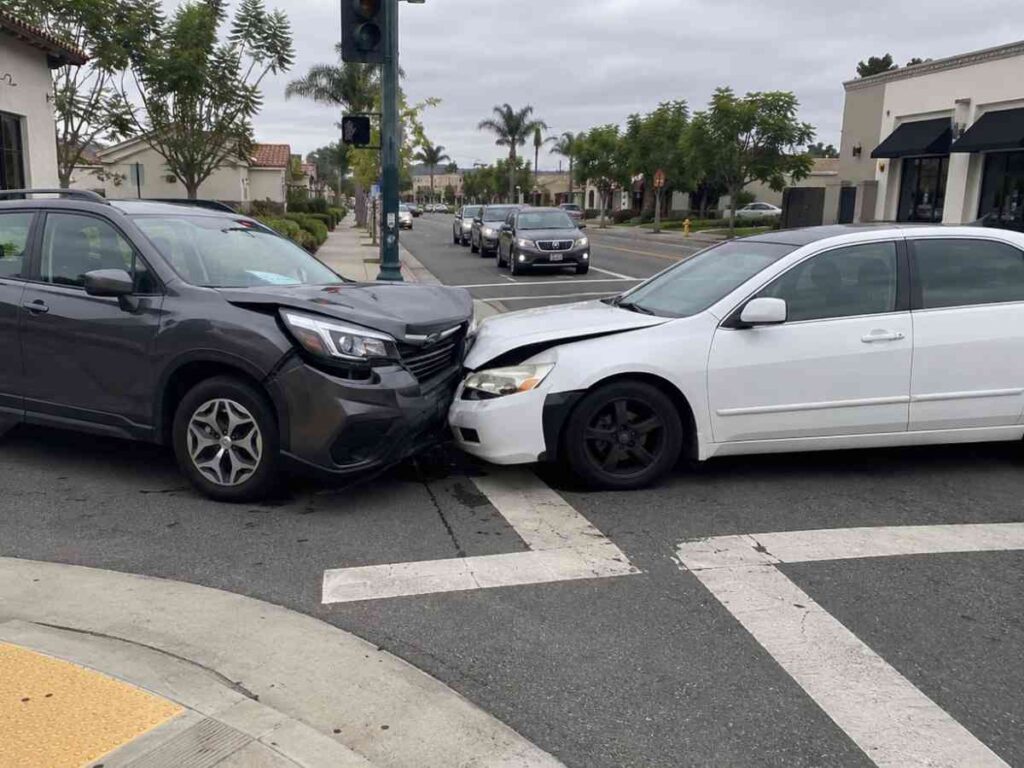
The two-year default applies across the claim types that account for the majority of personal injury filings in California: motor vehicle collisions, motorcycle and truck accidents, pedestrian and bicycle crashes, slip and fall incidents, dog bites actionable under Civil Code §3342, and defective product injuries. Premises liability claims arising from dangerous conditions on someone else’s property follow the same two-year window. All of these are negligence-based tort actions governed by a single statute, which is why the deadline is uniform regardless of how the injury occurred.
When Does the Statute of Limitations Start Running?
The statute of limitations starts running on the date the cause of action accrues, which for most personal injury cases is the date of the accident or incident that caused the injury. Delayed accrual applies only when the injury was not immediately discoverable.
For straightforward accidents, accrual is simple. A vehicle collision, a fall on someone else’s property, a dog bite: the clock starts on the date of the incident. The injured person knows they were hurt, knows who caused it, and the two-year window under §335.1 opens immediately. That window runs continuously regardless of whether the plaintiff is still receiving medical treatment, waiting on diagnostic imaging, or negotiating with a liability carrier. Many claimants wait for maximum medical improvement before engaging an attorney, confuse settlement timing with filing deadlines, and discover the two-year window closed while they were still treating.
California’s discovery rule delays accrual until the plaintiff discovers, or through reasonable diligence should have discovered, both the injury and its causal connection to the defendant’s conduct. This applies most commonly in toxic exposure cases where symptoms emerge years after contact, occupational disease claims where the link between workplace conditions and illness develops gradually, and traumatic brain injuries where cognitive deficits may not become apparent until months after the initial impact. The discovery rule does not apply simply because the plaintiff did not realize how serious the injury was. It applies when the injury itself was hidden.
Courts apply the discovery rule narrowly. The burden falls on the plaintiff to prove they could not have discovered the injury earlier through reasonable diligence, and courts will reject the defense when medical records, employer reports, or observable symptoms suggest the plaintiff should have known sooner. A plaintiff who ignores worsening symptoms or avoids follow-up care cannot later invoke delayed discovery to extend the filing window.
Which Exceptions Toll or Extend the Filing Deadline?
California law recognizes three statutory tolling mechanisms that pause the two-year personal injury filing deadline: minority status and mental incapacity under CCP §352, and defendant absence from the state under CCP §351. Each mechanism operates under its own trigger conditions, duration rules, and limitations.
How Does Minor Status Toll the Statute of Limitations?
The two-year statute of limitations is paused for injured minors under CCP §352(a), and the filing clock does not begin running until the minor turns 18. A child injured at any age has until their 20th birthday to file a personal injury lawsuit in Superior Court.
The tolling applies automatically. No petition or court order is required to activate it, and the full two-year window opens the day the minor reaches the age of majority. This tolling does not override the Government Claims Act. When a government entity is a defendant, a parent or guardian must still present the administrative claim within six months of the injury on the minor’s behalf, and missing that deadline eliminates the claim against the public entity even though the minor’s broader statute of limitations remains tolled.
Settlement adds a separate procedural layer. Any settlement of a minor’s claim exceeding $5,000 requires court approval under Probate Code §3500, which means appointing a guardian ad litem and filing a petition with the Superior Court before the settlement can finalize. Families who begin settlement negotiations without accounting for this process risk delays that compress the timeline for completing the court approval steps.
What Happens to the Deadline If the Defendant Leaves California?
Time a defendant spends outside California after causing injury may not count toward the statute of limitations under CCP §351. The provision has limited practical value when the defendant remains within the United States, but it retains relevance when a defendant leaves the country and cannot be served through domestic long-arm jurisdiction.
The statute’s plain language is broad: any period the defendant is absent from the state after the cause of action accrues does not count against the plaintiff’s filing deadline. Modern long-arm jurisdiction undercuts this protection, because California courts can serve process on out-of-state defendants in most civil cases without requiring physical presence. When service is possible regardless of location, courts question whether absence-based tolling serves any purpose.
The due process problem is harder. A defendant who left California years ago and has no remaining connection to the state faces indefinite tolling exposure, and courts have found that result constitutionally suspect. Proving the defendant’s specific absence periods also requires evidence the plaintiff rarely has before filing, creating a practical barrier at exactly the stage where the tolling would need to be established.
What Tolling Applies If the Plaintiff Is Mentally Incapacitated?
The two-year statute of limitations is tolled for the duration of a plaintiff’s mental incapacity under CCP §352(a), and the filing clock does not begin running until the incapacity ends. Courts require the incapacity to have existed at the time the cause of action accrued.
Mental incapacity under this provision means the plaintiff lacks the legal capacity to make decisions about their own affairs. The standard is functional, not diagnostic. A plaintiff with a diagnosed cognitive condition who can still manage legal decisions does not qualify, while a plaintiff with no formal diagnosis but genuine inability to understand or direct litigation does. The two-year window opens only when capacity is restored or when a guardian ad litem or conservator is appointed to act on the plaintiff’s behalf, whichever comes first.
The incapacity must have existed at the time of accrual. A plaintiff who was competent on the date of injury but later becomes incapacitated through progressive illness, subsequent trauma, or age-related decline generally cannot invoke §352(a) to pause a clock that was already running. The distinction matters most in cases involving elderly plaintiffs and traumatic brain injury survivors, where cognitive deterioration may develop months after the incident that caused the original claim.
How Does the Government Claims Act Change the Filing Deadline?
Claimants injured by a government entity must present a written administrative claim within six months of the date of injury under Government Code §911.2 before any lawsuit can be filed. Missing this deadline is typically fatal to the claim regardless of how strong the underlying case is.
No lawsuit against a public entity may proceed until the administrative claim has been acted upon or deemed rejected under Gov. Code §945.4. This prerequisite catches many injured people off guard. Government involvement is not always obvious. Collisions with city fleet vehicles or San Diego Metropolitan Transit System buses, injuries caused by dangerous road conditions maintained by Caltrans or a municipal public works department, falls on public sidewalks or in public parks, and incidents on school district property all trigger the six-month administrative deadline.
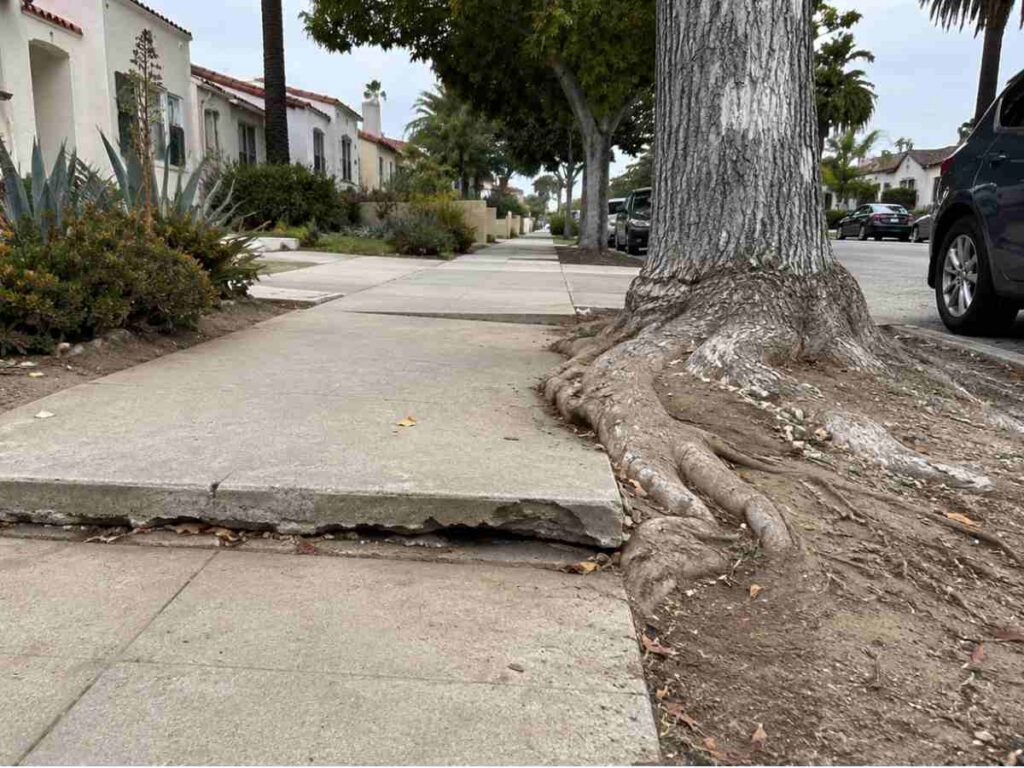
The public entity has 45 days to accept or reject the claim after receiving it. A written rejection starts a separate six-month clock to file suit under Gov. Code §945.6. If the entity never responds, the claim is deemed rejected by operation of law after 45 days, and the claimant retains the standard two-year filing window from the date of injury rather than the shorter post-rejection deadline.
Late claims face steep odds. A claimant who misses the initial six-month window may apply to present a late claim within one year of accrual under Gov. Code §911.4, but courts grant relief only under narrow circumstances: mistake, inadvertence, surprise, or excusable neglect. Claimants who simply did not know about the government claim requirement rarely satisfy that standard, because courts treat ignorance of the law as insufficient grounds for relief.
What Filing Deadlines Apply to Medical Malpractice and Wrongful Death?
Medical malpractice claims follow a dual deadline under CCP §340.5: one year from discovery of the injury or three years from the date of injury, whichever comes first. Wrongful death claims carry a two-year statute under CCP §377.60 measured from the date of death, not the date of the original accident.
The dual structure is shorter and more restrictive than the standard two-year personal injury deadline. Injured patients face two clocks running simultaneously: one year from the date they discovered or should have discovered the harm, and an absolute three-year outer cap measured from the date of injury regardless of when discovery occurs. The three-year cap breaks only in narrow circumstances, the most common being a foreign object left in the patient’s body that could not have been discovered without further medical intervention. Whichever deadline arrives first controls.
The discovery component is where most malpractice deadline disputes arise. Determining when a patient “should have known” something went wrong requires fact-specific analysis: when symptoms appeared, when follow-up care was sought, and whether the treating provider disclosed the error. A patient who experienced complications but did not connect them to the original procedure may still have the clock running if a court finds a reasonable person would have investigated sooner.
Wrongful death claims under CCP §377.60 run two years from the date of death. When the victim survives for weeks or months after the accident before dying, the filing window starts on the death date, not the date of the incident. That distinction matters. A separate survival action under CCP §377.30 recovers damages for the decedent’s pre-death pain and suffering, and that claim runs from the date of injury. When a public entity is involved, both the wrongful death claim and the survival action require a government claim presented within six months of the triggering date for each.
How Do Insurance Carriers Exploit Approaching Deadlines?
Insurance carriers track statute of limitations deadlines and use approaching expiration as leverage to pressure claimants into accepting inadequate settlements. The filing window’s expiration eliminates the claimant’s ability to threaten litigation, which removes the only source of negotiating power in a personal injury claim.
Active settlement negotiations do not toll or pause the statute of limitations. The two-year clock runs continuously regardless of whether the claimant is in active communication with the carrier, waiting on a medical prognosis, or expecting a settlement offer. Adjusters are trained to monitor filing deadlines, and some carriers use that knowledge to run specific delay patterns:
- Requesting the same medical records or documentation multiple times across different departments, consuming weeks of response time with each cycle
- Assigning new adjusters to the file late in the process, forcing the claimant to restart explanations and resubmit materials already provided
- Delaying offer responses for months, then issuing the first offer within weeks of the filing deadline
- Scheduling recorded statements and independent medical examinations at intervals that consume the remaining window without advancing the claim toward resolution
- Issuing low offers close to the deadline, calculated on the assumption that the claimant will accept an inadequate amount rather than risk losing the claim entirely
The leverage shift is permanent. Once the statute expires, the carrier knows the claimant can no longer file suit. Settlement authority drops because the threat of a jury verdict no longer exists. Claimants who reach this point have no mechanism to recover what the claim was worth, and carriers who engineered the delay face no consequence for having done so.
What Other Filing Deadlines Apply to California Injury Claims?
Several California claim types that frequently co-occur with personal injury carry their own statutes of limitations, and each runs independently. Property damage claims allow three years under CCP §338(c), sexual assault claims allow ten years under CCP §340.16, and equitable tolling may pause the personal injury deadline during concurrent workers’ compensation proceedings.
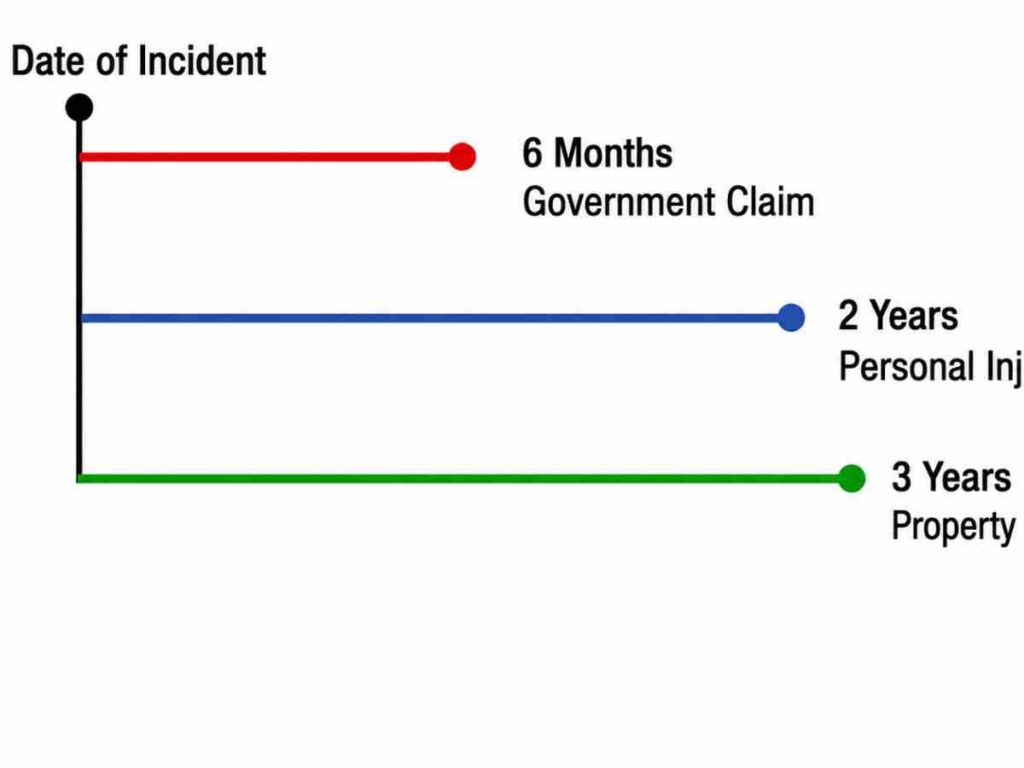
A single incident often triggers multiple claims with different filing windows. Tracking each deadline separately is critical because missing one does not extend or shorten any other:
- Vehicle collisions that cause both bodily injury and property damage create two concurrent deadlines: two years for the injury, three years for the property damage under CCP §338(c)
- Missing the shorter personal injury deadline does not affect the property damage claim, and vice versa
- Sexual assault claims carry a ten-year statute from the date of the assault under CCP §340.16, or three years from discovery of resulting psychological injury, whichever is later
- Childhood sexual assault follows separate deadlines under CCP §340.1, with a revival window for previously time-barred claims open through December 31, 2026
- Both property damage and sexual assault deadlines are substantially longer than the two-year personal injury period
The concurrent-deadline problem is most dangerous after vehicle accidents, where active insurance communication about repair estimates, rental coverage, and total loss valuations creates a false sense of progress on the entire claim while the bodily injury deadline runs silently underneath. A claimant who files a property damage claim at the two-and-a-half-year mark has preserved that claim but permanently lost the personal injury claim, which was worth significantly more.
Equitable tolling may pause the personal injury statute of limitations when a plaintiff is simultaneously pursuing a workers’ compensation claim for the same injury. This is not a statutory provision. It is a judicially created doctrine, and courts require three elements before applying it: timely notice to the defendant of the civil claim, lack of prejudice to the defendant from the delay, and reasonable and good-faith conduct by the plaintiff in pursuing the alternative remedy. The doctrine is not automatic. A plaintiff who files a workers’ compensation claim and then waits years to pursue the civil action without explanation will not receive tolling protection, because courts evaluate whether the plaintiff genuinely believed the alternative remedy would resolve the matter or simply neglected the civil deadline.
What Happens If You File After the Statute of Limitations Expires?
The defendant raises the expired statute as an affirmative defense, and the court must dismiss the case. No judicial discretion exists to override the deadline, regardless of liability strength, injury severity, or the amount of damages at stake.
The dismissal is absolute. It does not matter that the defendant was clearly at fault, that the plaintiff sustained catastrophic injuries, or that hundreds of thousands of dollars in medical treatment have already been incurred. The right to compensation is permanently extinguished the moment the deadline passes. No amended complaint, no new filing, and no change in circumstances can revive the claim once the statute has run.
Equitable estoppel is the narrowest exception available after expiration, and it applies only when the defendant’s own conduct prevented the plaintiff from filing on time. It arises most often in two scenarios: a defendant who intentionally conceals their identity to avoid service, or a defendant who makes fraudulent settlement representations specifically to run out the filing clock. Both require proof that the defendant took affirmative action to prevent the filing, not merely that the defendant was uncooperative or slow to respond. Courts treat equitable estoppel as an extraordinary remedy. The plaintiff must demonstrate a direct causal link between the defendant’s specific misconduct and the missed deadline, and generalized claims of carrier delay or settlement stalling do not meet that threshold.
How Should You Protect Your Filing Deadline After an Injury?
Identify every potentially liable party, including government entities, within the first 30 days after injury. Consult a personal injury attorney before making any recorded statements to an insurance carrier or accepting any settlement offer.
The government entity identification is the highest-priority step because the six-month administrative claim deadline is the shortest filing window in the entire statute of limitations framework. Government involvement is not always apparent. City fleet vehicles, poorly maintained public roads, municipal transit systems, and school district property all create government liability that triggers the accelerated deadline.
- Determine whether any government entity contributed to the injury, including city, county, state, or school district defendants, within the first two weeks
- Preserve all physical and digital evidence from the incident: photographs, medical records, police reports, witness contact information, and any communication with insurance carriers
- Avoid giving recorded statements to any insurance adjuster before understanding how the statement may be used to reduce or deny the claim
- Do not accept any settlement offer while the full scope of injuries remains undiagnosed, because early offers are calculated before maximum medical improvement and rarely reflect the claim’s actual value
- Identify every applicable filing deadline for each claim type involved, since a single incident may trigger concurrent personal injury, property damage, and government claim deadlines running on different timelines
Each of these steps operates on a different clock. Every statutory deadline on this page has at least one exception that can extend it, but the evidence window has none. Evidence degrades and witnesses become unreachable within weeks. A personal injury attorney can map all applicable deadlines to the specific facts of the case, identify government defendants the claimant may not recognize, and ensure no administrative or statutory deadline expires while the claimant is still evaluating the claim.