
A rideshare crash usually comes out of nowhere. Maybe you’re heading through downtown San Diego or riding along the I-5 when the Uber or Lyft you’re in is suddenly hit. That instant confusion feels heavier because it isn’t your car, your insurance, or your driver. You’re left trying to figure out what to report, who to talk to, and whether your symptoms matter.
A rideshare accident is a crash involving an Uber or Lyft driver who is actively using the app whether they’re waiting for a trip, driving to pick someone up, or transporting a passenger. These collisions feel different from regular crashes because several insurance layers come into play, each pointing fingers about who pays what.
Most people don’t know how to report the crash inside the app, how quickly to get medical care, or how to handle fault when Uber, Lyft, and private insurers are involved. That uncertainty is exactly where claims start to break down.
In this article, you’ll see what to do in the moments after the crash, how California’s rideshare insurance rules actually work, how fault is handled in San Diego, which mistakes ruin claims, the deadlines that matter, and when it’s smart to involve a local rideshare accident lawyer.
What To Know Right After a Rideshare Accident in San Diego

The first few minutes after a crash can feel chaotic, especially when you’re a passenger who had no control over what happened. That early window matters more than most people realize. Evidence is fresh, drivers are still on the scene, and your body may be reacting to adrenaline instead of pain. What you do next often shapes how insurers interpret your injuries, how fault is assigned, and how strong your claim looks later.
Here are the essentials to understand right away:
- Your injuries need early medical documentation. A same-day exam creates the first medical record linking your injuries to the crash, which is critical for proving causation.
- Uber and Lyft do not automatically cover your costs. Their insurance only applies when the driver is actively using the app, and which policy applies depends on the driver’s trip status and fault.
- App screenshots count as meaningful evidence. Saving the route, timestamp, and driver status helps show that you were an active passenger and establishes which insurance policy should apply.
- Passengers are almost never at fault. Even so, insurers may still question the extent of your injuries or the timing of your symptoms.
- Talking to any insurer too early can backfire. Statements are recorded, compared, and sometimes used to challenge injury severity or create inconsistencies.
What You Should Do at the Scene of a Rideshare Accident in San Diego

When a rideshare crash happens, the moments afterward can feel disorienting. You’re sitting in the backseat, the car jolts to a stop, and suddenly you’re trying to figure out what just happened. This is where a few steady steps go a long way. The goal is simple: stay safe, get help, and preserve the kind of details that later determine fault, coverage, and compensation.
How Should You Stay Safe and Get Help?
Your safety comes before anything else. If the vehicle is still in traffic, step onto the sidewalk or shoulder where it’s safer and call 911 so dispatch can route the right responders. Which agency arrives depends on where the crash happened. The San Diego Police Department typically handles city-street collisions, while the California Highway Patrol responds on freeways like the I-5, I-15, or SR-163.
A police report becomes one of the first objective records tying your injuries, the location, and the conditions together. Without it, insurers often push harder on liability disputes or claim your symptoms might have come from something unrelated. Even if the crash seems minor, having an officer document the event helps protect you later.
What Information Should You Collect Before Leaving the Scene?
Once you’re safe and the initial shock settles, gather a few key details. It doesn’t have to be perfect. Just focus on what helps anchor the timeline.
- The rideshare driver’s name, license plate, driver’s license, and insurance information.
- Screenshots of your Uber or Lyft trip screen, including driver status, pickup details, and timestamps.
- Names and contact information for witnesses who actually saw the impact.
- Photos of the vehicles, visible injuries, traffic signals, road markings, and anything that shows how the collision occurred.
These aren’t just “extras.” Each item helps prevent insurers from later arguing that fault is unclear or that your injuries appeared too late to be connected.
Should You Report the Crash Through Uber or Lyft Right Away?
Yes, you should report the crash through the app, but keep it short and factual. Rideshare companies require notice to activate their insurance system, and the timestamp of your report becomes part of the claim file.
Keep your wording simple: note that a collision occurred, where it happened, and that you were a passenger. Avoid long explanations, opinions about fault, or descriptions of symptoms you haven’t had checked yet. Early reports matter, and vague or emotional statements sometimes get misinterpreted when multiple insurers step in.
How Uber and Lyft Insurance Actually Works in California
Most people don’t realize how much a rideshare claim depends on timing. What the driver was doing in the Uber or Lyft app at the moment of impact controls which policy applies and whose insurance pays. That’s why something as small as a screenshot can later decide whether a bill gets covered or whether two insurers start arguing over responsibility. In California’s at-fault insurance system, the party who causes the crash is financially responsible, but rideshare policies add layers that can confuse anyone who isn’t familiar with how these claims are handled.
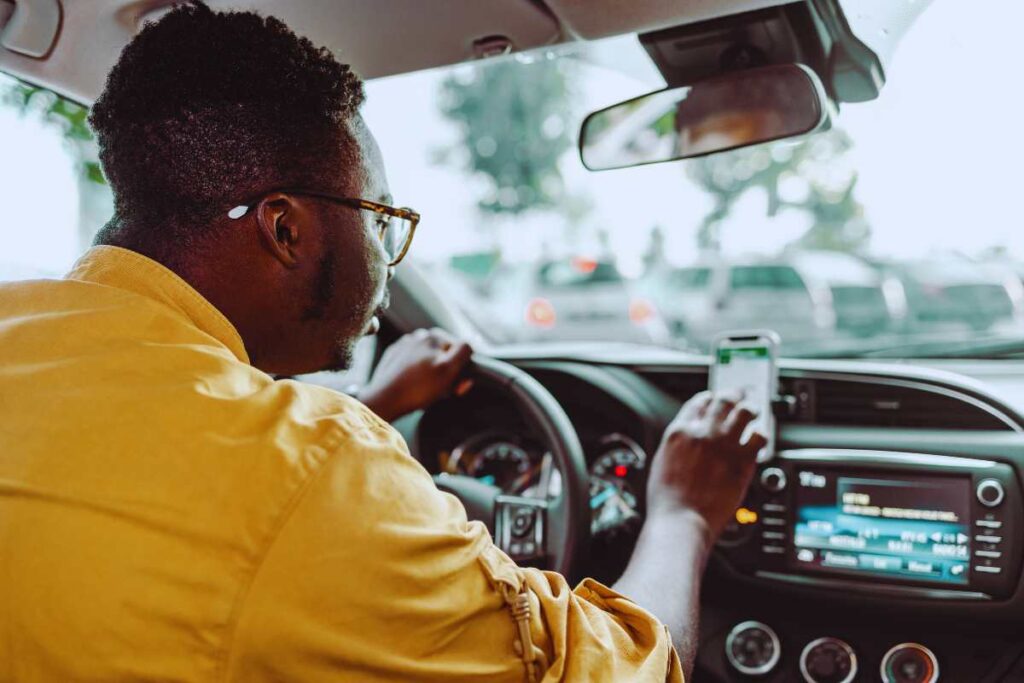
What Are the Rideshare Insurance Periods?
A rideshare driver’s insurance shifts based on their app status, and that determines whether Uber or Lyft’s commercial coverage activates.
Here’s how the periods break down:
- App off
Only the driver’s personal auto insurance applies. Uber and Lyft have no involvement because the driver wasn’t working. - App on and waiting for a ride request
Limited liability coverage becomes available through Uber or Lyft. This covers damage or injuries if the driver is at fault, but the limits are much lower than during an active trip. - En route to a passenger or actively transporting one
This period triggers the highest commercial coverage limits. If you were hurt while on a trip, this is the policy that typically applies, and it includes stronger liability protection along with other coverages depending on the circumstances.
These periods matter because the insurance company will anchor its entire evaluation to the moment the collision occurred.
Does Uber or Lyft Pay for Your Medical Bills Automatically?
No, Uber and Lyft do not automatically pay medical bills after a crash.
Their insurance works on fault principles, and payouts depend on which insurance period the driver was in and who caused the collision.
Passengers often rely on:
- Liability insurance when a rideshare driver or another driver is responsible
- Their own health insurance for immediate treatment
- Med-pay coverage if they carry it on their personal auto policy
California also has rules like Proposition 213, which limit pain-and-suffering damages for uninsured drivers. This law does not apply to rideshare passengers, but adjusters sometimes raise questions that make people doubt their eligibility. Knowing what does and does not apply helps keep the process grounded in facts.
And in some situations, Uber and Lyft provide uninsured/underinsured motorist coverage, but it isn’t available in every scenario and shouldn’t be assumed.
How Do Your Own Auto and Health Insurance Fit In?
Your own insurance becomes part of the picture sooner than many passengers expect. After a rideshare collision, health insurance usually pays first, and those providers may assert liens that must later be repaid from your settlement. If you have med-pay on your auto policy, it can help with early bills regardless of who caused the crash.
These policies overlap, and misunderstandings about who pays often cause delays. Getting clarity early helps keep your treatment on track and prevents insurers from shifting responsibility back and forth as they investigate.
What To Do in the First 24–72 Hours After a Rideshare Accident

The first few days after a rideshare crash usually feel scattered. People try to shake it off, get back to work, and hope the soreness fades. But those early hours carry real weight. Doctors, insurers, and even the rideshare companies look closely at what you did immediately after the collision. Small steps now can prevent major problems later, especially when symptoms develop slowly or when multiple insurers are involved.
Why Should You Get Medical Care Even If Pain Is Delayed?
It’s common for injuries to show up late after a collision. Whiplash, concussions, and soft-tissue damage often take hours or days to appear, which is why people initially assume they’re fine and then wake up the next morning barely able to turn their head.
Early medical care isn’t just about healing. It creates documentation that links the injury to the crash. Without that record, insurers often argue the pain came from something else or didn’t start soon enough to be related. Getting checked at an urgent care, ER, or primary doctor puts the cause-and-effect timeline in writing, which matters in California’s fault-based system.
Under California negligence law, your medical records are one of the strongest tools for proving causation. Without early documentation, insurers often argue that the injury timeline does not match the collision.
How Should You Document Symptoms, Missed Work, or Daily Limitations?
Once the first exam is done, the next step is keeping track of how your body and daily routine change. A simple notes app or handwritten journal works. This doesn’t need to be formal it just needs to be consistent.
Record things like:
- new or worsening pain
- trouble sleeping or concentrating
- tasks you can’t do as easily (driving, carrying groceries, lifting your child)
- any work shifts you miss or modify
Expanding at least one point: writing down how symptoms interfere with everyday life helps your medical providers understand the full impact, and it gives injury claims a clearer foundation. These notes bridge the gap between medical visits and show a pattern that insurance reviewers can’t ignore.
Should You Speak With the Rideshare Insurance Adjuster Alone?
No, speaking with a rideshare adjuster alone can easily work against you.
These calls are almost always recorded, and insurers later compare your words to medical records, app timestamps, and the police report to find inconsistencies. Even small details said casually “I’m feeling better today” or “I’m not sure what happened” can be used to limit compensation.
If an adjuster reaches out early, it’s usually because they want information before injuries are fully understood. You’re allowed to pause the conversation, take a breath, and get guidance before giving any statements. This protects your claim and ensures you aren’t pressured into wording that doesn’t match your medical timeline.
California’s fault system allows insurers to challenge every part of an injury claim, which is why unreviewed recorded statements are risky and often taken out of context later.
How Liability Is Determined in a California Rideshare Accident
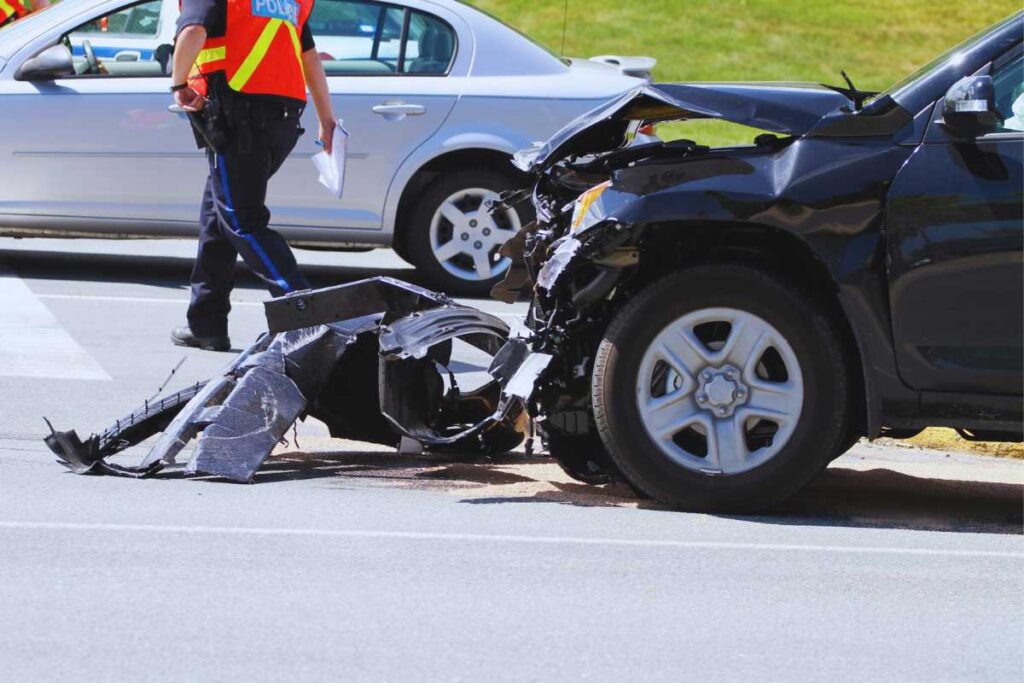
Liability in a rideshare crash isn’t as simple as pointing to whoever hit the brakes too late. In California, fault is built from a mix of digital trip data, police documentation, and what real people at the scene saw. Uber and Lyft accidents bring extra layers because the driver is working through an app, and multiple insurers may become involved depending on the trip stage. Understanding how fault is pieced together helps you see why early evidence matters so much.
How Do Police Reports, Witnesses, and Trip Data Shape Fault?
Police reports from SDPD or CHP often form the backbone of liability. SDPD handles most city-street collisions, while CHP responds on freeways like the I-5, I-805, and SR-163. These reports record immediate observations, diagrams, and statements all of which insurers later rely on.
Witnesses help fill in the gaps. A passerby who saw a driver run a red light or make a risky lane change can strengthen the narrative when accounts conflict. Trip data from the rideshare app adds another layer. GPS routes, timestamps, and driver status (waiting, en route, or transporting) offer objective proof of what the driver was doing and how fast the vehicle was moving. When these pieces align, the fault picture becomes much clearer.
Can the Rideshare Driver Be Liable?
Yes, the rideshare driver can be liable if their actions contributed to the crash.
Distraction is one of the most common issues. Drivers rely heavily on navigation apps, and quick glances at the screen can lead to missed brake lights or drifting across lanes. Speeding to pick up a passenger or trying to finish a trip faster can also create dangerous situations. In these moments, their employer’s insurance may become involved depending on whether the driver was actively on a trip.
What If Another Driver Caused the Crash?
Yes, another driver can be fully or partially at fault in a rideshare accident.
This is common in San Diego’s heavy traffic corridors, where sudden merges or aggressive driving create chain reactions. In these cases, you may pursue a third-party claim against the at-fault driver’s insurance. If their policy isn’t enough to cover the harm, Uber or Lyft’s coverage can sometimes fill the gap, especially when the rideshare driver was actively transporting a passenger.
How Does California’s Comparative Negligence Rule Affect Claims?
California’s comparative negligence rule allows fault to be shared, but passengers are almost never blamed unless they caused a direct distraction or interfered with the driver. In multi-vehicle crashes especially on busy freeways like the I-8 or SR-94 fault can be divided across several drivers. This division affects how payouts are calculated, but passenger claims usually remain strong because they weren’t operating either vehicle.
Insurance Coverage Breakdown: Uber vs Lyft vs Third-Party Policies
Most passengers are surprised to learn that rideshare insurance is not a single policy. It shifts depending on what the driver was doing in the app, and those shifts can affect who pays for medical bills, lost wages, and long-term care. This is where many people in San Diego feel confused, especially when they discover that Uber and Lyft do not automatically step in with full benefits. Understanding which policy applies at each stage of the trip helps clarify what compensation is available.
What Coverage Applies When the Driver Is Waiting for a Ride?
Once the driver is logged into the app and waiting for a request, limited liability coverage applies, not the full commercial-level policy. In California, this period includes up to fifty thousand dollars in bodily injury coverage per person, up to one hundred thousand dollars per accident, and up to twenty-five thousand dollars in property damage coverage. This coverage activates only if the rideshare driver is found at fault. It does not cover the passenger’s own medical bills unless fault is established and the injuries were caused by the crash.
What Coverage Applies When You’re Being Transported?
When the driver accepts a ride or is actively transporting a passenger, the highest level of liability coverage applies. Both Uber and Lyft carry one million dollars in third-party liability coverage during this period. They also provide uninsured and underinsured motorist coverage that can help when another driver causes the crash but does not have enough insurance. This is the stage where passengers have the strongest layer of financial protection, although payment still depends on proving fault and documenting injuries.
What Happens If the At-Fault Driver Has Low or No Insurance?
If the other driver caused the crash and their policy cannot cover the full extent of the injuries, uninsured and underinsured motorist coverage becomes critical. Uber and Lyft include this coverage while a trip is in progress, and it can fill the gap between the at-fault driver’s policy limit and the actual cost of medical care. Some passengers also have their own med-pay coverage through personal auto policies, which can help with initial medical expenses regardless of fault, subject to policy limits. Health insurance may also step in, but insurers often seek reimbursement if the personal injury claim resolves successfully.
Reporting Requirements Under California Law
Do You Need To File an SR-1 After a Rideshare Accident?
When a rideshare crash unfolds on a busy stretch of Friars Road or the I-805, most people focus on getting checked out and figuring out how to get home. The paperwork comes later, and that is usually where the confusion starts. The SR-1 is a required accident report filed with the California DMV whenever anyone is hurt, killed, or when property damage reaches one thousand dollars or more. Nearly every rideshare collision meets this standard because even a single visit to urgent care crosses that threshold.
A police report is separate, and filing an SR-1 is still required even if SDPD or CHP already responded. Passengers often assume the rideshare company handles it, but the DMV places the responsibility on the people involved. If the form is not filed on time, an insurer may argue that the claim was reported late or that the details were unclear. Filing the SR-1 is a simple step, but it protects you from unnecessary disputes.
A quick example helps. If you were riding in an Uber downtown and another driver sideswiped the vehicle while merging, a short urgent care exam and basic bumper repairs would already meet the reporting threshold. In that situation, the SR-1 must be completed even though you were not driving.
Should You Report to Your Own Insurer?
Passengers often think they can skip notifying their own insurer because they were not behind the wheel. It feels logical, but it is risky. Yes, you should notify your insurer, even if Uber or Lyft will be handling the claim. Many auto policies include a duty to report accidents within a reasonable amount of time, and failing to do so can complicate coverage later.
Keep your report short. Share the date, time, and location, and explain that you were a passenger in a rideshare vehicle involved in a collision. Avoid guessing about fault or sharing details that have not been confirmed. Insurers compare early statements with later medical findings, so unclear wording can be used to question your symptoms.
If you live in San Diego, you can also file or follow up at the DMV San Diego field office, which helps when forms or deadlines need clarification. Taking care of these steps early gives you clean paperwork and avoids problems when the claim progresses.
Understanding these reporting rules gives you a clearer footing, but it is only one part of the bigger picture. Once the paperwork is out of the way, the next challenge is figuring out how insurance policies interact in a rideshare crash and what coverage actually applies to your situation.
How To Document Injuries the Right Way After a Rideshare Crash
Why Detailed Medical Records Matter for Your Claim
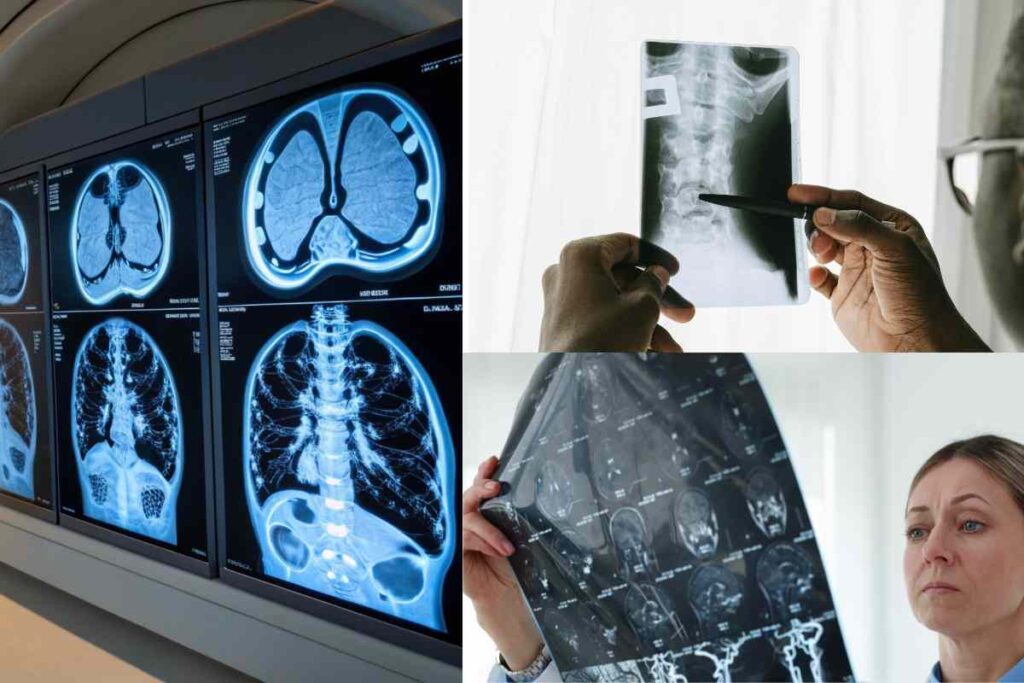
Right after a collision, most people focus on pain, confusion, and figuring out how to get home. The paperwork feels secondary, but it is the backbone of any injury claim in California. When a doctor examines you after a rideshare crash, every detail becomes part of the medical record, and medical records are the core evidence that links your injuries to the crash. These records include things like ICD-10 diagnosis codes, treatment plans, imaging results, and referrals to specialists.
A simple example explains why this matters. If a Lyft is rear-ended near Mission Valley and you later develop neck stiffness, the insurer will look at whether a provider documented your symptoms, whether an exam was performed, and whether the diagnosis matched what is typically seen in rear-impact collisions. Records give that clarity. They create a timeline. They prevent arguments about where the injuries came from.
Strong documentation gives your claim structure and makes it harder for an insurance adjuster to deny or minimize your injuries.
What Types of Records Strengthen a Claim?
Before diving into medical visits, it helps to understand the types of documentation that insurers rely on. A few stand out as especially important because they capture both the initial impact and the healing process that follows
- Emergency room summaries that document initial pain, range-of-motion limits, or suspected trauma. ER notes often become the anchor for causation because they capture symptoms before the body has time to compensate.
- Follow-up care notes from primary doctors or urgent care providers that track how symptoms evolve in the days and weeks after the crash. These show progression, not just a one-time complaint.
- Imaging results such as X-rays, CT scans, or MRIs that provide objective proof of injury. Imaging removes guesswork and is often what insurers rely on when deciding whether an injury is real or merely reported.
- Specialist evaluations from orthopedists, neurologists, or physical therapists that explain how the injury affects mobility, cognition, or daily function. Specialist notes often carry more weight because they offer detailed medical reasoning.
To make this easier, think about the records as a story. The ER notes show what happened that day. The imaging confirms what was injured. The specialists explain how the injury affects your daily life. Together, the records build credibility that a rideshare insurer or a third-party insurer cannot easily challenge.
What If You Miss Appointments or Have Gaps in Treatment?
Anyone who has dealt with a crash knows life does not pause for appointments. Work gets busy. Childcare becomes an issue. Pain seems manageable some days and overwhelming on others. Even so, gaps in treatment can hurt your claim. Insurers are quick to argue that missed appointments mean the injury healed or was never serious.
This is why consistency matters. Regular follow-ups show that you are doing your part to recover and that your symptoms are ongoing. If you genuinely need to reschedule, keep the paper trail clean. A short, documented explanation helps prevent the insurer from twisting the gap into something it is not.
A solid medical timeline protects both your health and your legal position, especially when the rideshare company or at-fault driver’s insurer looks for reasons to push liability or reduce compensation.
Mistakes That Can Hurt Your Rideshare Accident Claim
Even careful people make missteps after a crash, especially when the situation feels overwhelming. Small decisions made in the first few days can create problems that are hard to fix later. Understanding these pitfalls helps protect the strength of your case and keeps the focus on your recovery.

Why Downplaying Pain Can Backfire?
Many people try to keep things simple by saying they are “fine” at the scene. This can become a problem because insurers treat those early statements as evidence that you were not hurt. Pain from whiplash, concussions, or soft tissue injuries often shows up hours or days later, but without early documentation, adjusters argue the symptoms came from somewhere else. Being honest and specific about discomfort, even if it feels minor, creates a necessary medical trail that ties your condition to the rideshare crash.
What Happens When You Rely Only on In-App Reporting?
Uber and Lyft make it easy to tap a few buttons and report the crash inside the app. The mistake is assuming this replaces a full accident report or legal documentation. The in-app message rarely includes details about injuries, fault, or damage. It does not create a police report, and it does not notify your insurer or any treating medical provider. Think of the app report as one small piece of documentation, not the entire record. Without a police report and independent medical evidence, the rideshare insurer has room to dispute your version of events.
How Can Social Media Undermine Your Injury Case?
Posting photos or status updates can feel harmless, but insurers routinely search social media to look for contradictions. A single picture of you out with friends, even if you were in pain, can be taken out of context and used to argue that you are not as injured as you claim. Adjusters and defense attorneys collect screenshots and compare them to your medical records. When recovering from a rideshare accident, the safest approach is to stay off social platforms or keep posts minimal and neutral until your case is resolved.
Why Should You Avoid Taking a Quick Settlement?
Fast offers often look appealing, especially when medical bills or lost wages start stacking up. The problem is that early settlements usually come before the full extent of your injuries is known. You may feel sore today but discover a herniated disc or concussion complications weeks later. Once you sign a release, the claim closes forever, even if your condition worsens. Rideshare insurers know this and often pressure people to accept low amounts before they understand the long-term impact. Taking time to understand your diagnosis and future medical needs protects you from settling for less than the claim is worth.
Real-World Risks Unique to Uber and Lyft in San Diego
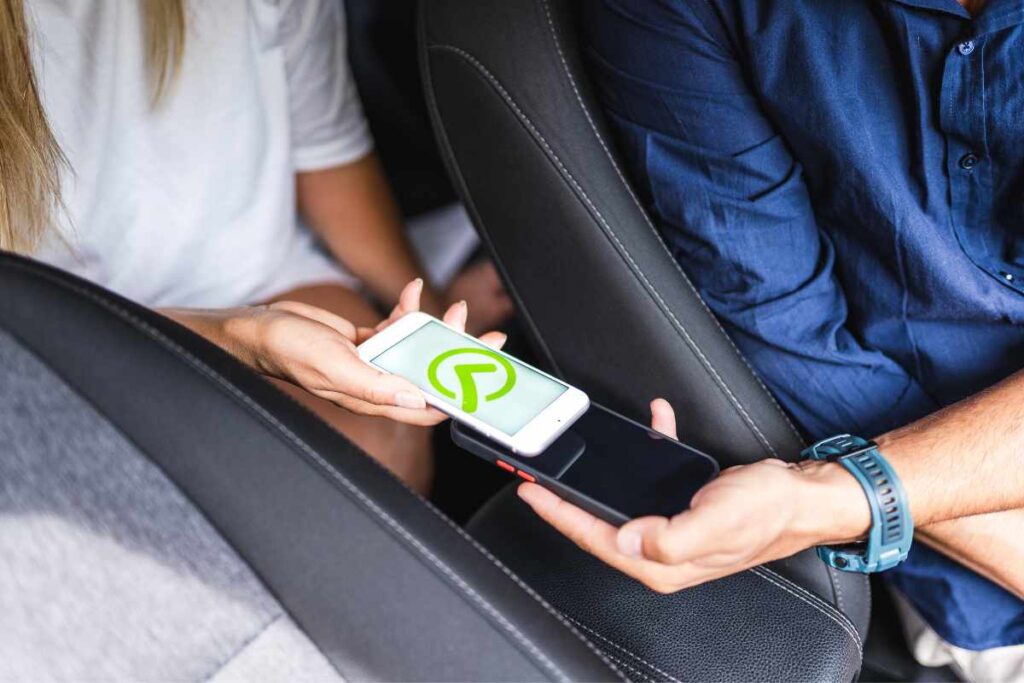
When you ride in an Uber or Lyft around San Diego, you are sharing the road with a mix of commuters, tourists, military personnel, and out-of-area drivers. That blend creates conditions that are very different from smaller cities. Understanding the patterns behind local rideshare crashes helps you make sense of what happened and why fault is not always straightforward.
Do Rideshare Drivers Multitask or Use Multiple Apps at Once?
It is more common than people think. Yes, many drivers toggle between apps or handle incoming requests while the vehicle is moving. Some drive with both Uber and Lyft running at the same time to catch more rides. That means more screen time, more notifications, and more distractions. In San Diego’s dense corridors like Hillcrest, Mission Valley, and downtown near the Gaslamp, even a few seconds of distracted driving can lead to sudden rear-end crashes or dangerous lane changes. These behaviors often show up later through trip logs, timestamped app data, and driver statements.
How Does Driver Fatigue Affect Rideshare Crashes?
Many rideshare drivers work long hours or stack driving on top of another job. Fatigue slows reaction time and increases the risk of missing brake lights, merging errors, or drifting across lanes. Late-night hours around Pacific Beach, the Gaslamp, or University Heights create an especially high risk because drivers often transport riders home after midnight. Fatigue-related mistakes are common in insurance investigations, and they often explain why the driver failed to react to traffic conditions that would typically be avoidable.
Are Tourists and Out-of-Area Drivers a Factor in Local Crashes?
Tourism plays a major role in San Diego traffic patterns. Yes, unfamiliar drivers contribute to a significant share of rideshare collisions, especially near beaches, hotels, and event venues. Many visitors rely on rideshare apps instead of renting a car, which means more vehicles making abrupt stops or slow turns while they search for hotel entrances or drop-off points. Areas around Mission Beach, La Jolla Cove, SeaWorld, and the airport are frequent hotspots for this kind of error.
Why Do San Diego’s Freeways Create More Multi-Car Rideshare Accidents?
San Diego’s freeway network has tight merges, short on-ramps, and unpredictable traffic surges. These conditions increase the risk of chain-reaction collisions involving rideshare vehicles. The I-5, I-805, SR-163, and I-8 are known for sudden slowdowns, which are difficult for distracted or fatigued drivers to handle. A single mistake, like braking too late or changing lanes without checking blind spots, can set off a multi-car crash. Trip data often becomes crucial in these cases because it shows speed, route, and timing right before impact.
When You Should Speak to a San Diego Rideshare Accident Lawyer

After a rideshare crash, people often hesitate because they are not sure whether their situation is “serious enough” to justify calling an attorney. The truth is that the timing matters more than most passengers realize. A short conversation early on can prevent mistakes that take months to fix later. Here’s how to understand whether your situation needs legal guidance now or whether you can safely manage things on your own.
Do You Need a Lawyer for Every Rideshare Accident?
No, you do not need a lawyer for every rideshare accident, especially if you walked away with no pain, no medical visits, and clear liability for a small property-damage claim. That said, rideshare crashes involve layered insurance policies, trip data, and driver status rules that most people never deal with. Whenever an injury, medical evaluation, or insurance dispute enters the picture, the situation shifts from “simple” to “legally sensitive” very quickly. That is usually when professional help becomes important.
What Are Clear Signs You Need Legal Help Now?
Before deciding whether to go it alone, it helps to look at what your situation actually involves. Most passengers who eventually seek help share the same early warning signs.
If any of the situations below sound familiar, it is usually time to get guidance:
- Emergency room visits or urgent care evaluations. Injury documentation starts here, and even minor symptoms can evolve over days.
- Confusing or conflicting communication from insurers. Adjusters may ask for repeated documents, request recorded statements, or hint at shared fault.
- Lost income or difficulty returning to work. This is often a sign of deeper injuries, and documenting these losses correctly is essential.
- Disputes over fault. It may involve the rideshare driver, another vehicle, or unclear statements in the police report.
- Uninsured or underinsured motorist situations. These cases overlap multiple policies and require careful interpretation of coverage.
A couple of these issues on their own are manageable. When several show up together, the risk of making a mistake increases quickly.
How Early Guidance Protects Your Claim
It often surprises people how much the first few steps can influence the strength of a claim. Early legal guidance is valuable because it protects the evidence, the timeline, and your statements.
A lawyer can ensure photos, trip screenshots, medical records, and witness details are preserved before anything disappears. They also shield you from saying something unknowingly damaging during recorded calls with adjusters. And when it comes to medical documentation, early strategy helps build a clean, consistent record that reflects the true impact of your injuries. This is where getting support from a San Diego rideshare accident lawyer becomes valuable, because they understand how to preserve evidence, protect your statements, and build a clear record that strengthens your claim from the start.
What Compensation You May Recover After a Rideshare Accident
When someone is hurt in a rideshare crash, one of the first questions that comes up is what compensation they may be entitled to. The truth is that California allows a wide range of recoverable damages, but the specific amount depends on the details of the crash and the medical evidence you build. Let’s break down the parts of compensation so you understand what is possible and what typically drives value up or down.

What Damages Are Available Under California Law?
California allows injured passengers to recover economic and non-economic damages, as long as their evidence supports the losses. Economic damages cover the things you can add up, such as medical bills, future treatment, lost wages, and the cost of rehabilitation if your recovery lasts longer than expected. Non-economic damages address the human side of the injury, including pain, emotional strain, and how the crash impacts your daily life. The key point is that these damages are only as strong as the documentation behind them, which is why consistent medical care and detailed records matter.
How Injury Severity Affects Claim Value
Not all injuries carry the same legal weight. A rideshare crash that leads to short-term discomfort will lead to a different claim structure than one involving fractures, disc injuries, or lingering concussion symptoms. The more severe the injury, the more complex the recovery path becomes, and that often pushes the value higher because it requires specialists, long-term treatment plans, and work restrictions. California law recognizes these long-term effects, but it expects clear medical proof tying each limitation to the accident.
How Long Do Uber/Lyft Settlements Typically Take?
Most rideshare settlements take several months, but the timeline varies depending on how quickly injuries stabilize and whether liability is disputed. If the rideshare driver, another driver, or multiple vehicles were involved, insurers may need additional time to sort out responsibility. Cases tend to move faster when medical treatment is consistent and the records show a clear path of injury and recovery. They take longer when symptoms evolve or when multiple insurance carriers must coordinate coverage. The goal is to settle only once the long-term medical picture is understood, not before.
Questions San Diego Riders Ask After an Uber or Lyft Accident
People have a lot of the same worries after a rideshare crash. These answers keep things clear and grounded in California law so you know what steps actually matter.
What Should I Do First After a Rideshare Accident?
The first thing you should do is check for injuries and call 911. Your safety comes before everything else. Once you’re out of harm’s way, gather photos, exchange information, and save screenshots from the app. These early details become evidence later, especially when fault or insurance coverage becomes complicated.
Do I File a Claim With Uber, Lyft, or the Driver?
You usually report the crash through the app, but the legal claim depends on who caused the collision. If the rideshare driver is responsible, Uber or Lyft’s insurer may get involved. If another driver caused the crash, their insurance is the primary source. You are not expected to know which one applies in the moment. The documentation you collect helps determine that later.
Will Uber or Lyft Pay for My Medical Bills?
No, they do not pay bills automatically. Their insurance only pays once fault is established and the claim is processed. Until then, medical care often runs through your health insurance or med-pay if your own auto policy includes it. The key is documenting everything so the right insurer reimburses those costs.
What If the Driver Cancels the Trip After the Crash?
Yes, you can still pursue a claim even if the driver cancels the trip in the app. Trip cancellations sometimes happen when drivers panic or try to avoid fault. The good news is your screenshots, GPS data, and witness statements can still confirm that you were a passenger at the time of the crash. Cancellation does not erase liability.
Can I Still Claim if Pain Starts Days Later?
Yes, you can still make a claim if symptoms appear later. Delayed pain is common after rideshare crashes, especially with whiplash, back strain, or concussion symptoms. What matters is getting medical care as soon as you notice something is wrong so the doctor can connect the injury to the crash.
How Much Does a Rideshare Accident Lawyer Cost?
A rideshare accident lawyer typically costs nothing upfront. Most work on a contingency fee, which means the attorney is only paid if the case resolves successfully. This structure allows injured passengers to get help regardless of their financial situation.
How Soon Should I Contact a Lawyer?
The best time to speak with a lawyer is early, before recorded statements or settlement talks. Early guidance protects evidence, avoids common mistakes with insurers, and makes sure treatment is documented the way California injury claims require. Even a short conversation can prevent avoidable problems.
What To Do Now If You’re Unsure About Your Claim

Uncertainty is common after a rideshare crash, especially when symptoms come and go or the insurance communication feels confusing. The goal here is to help you understand whether you are looking at a simple situation or one that needs a closer legal look.
How To Know If Your Situation Is Simple or Complicated
The easiest way to figure this out is to look at what has happened so far. If you walked away without pain, did not see a doctor, and only have minor damage to personal items, you may be dealing with something straightforward. Most people start to feel unsure when the facts no longer match that simple picture.
You may have a more complicated situation if your symptoms appeared a day or two later, if you missed work because of pain, or if the insurer has already asked for recorded statements. Uncertainty also grows when the rideshare driver is blaming someone else or when multiple cars were involved on a busy San Diego freeway like the I-5 or the 805. If any of this sounds familiar, there is a good chance your claim needs more care and attention than an app report can offer.
Why Early Legal Advice Helps San Diego Riders Make Better Decisions
Early guidance protects your rights before problems grow. A short conversation can help you avoid common mistakes with recorded statements, missed medical documentation, or confusion about which insurance policy applies. It also gives you clarity on deadlines, evidence preservation, and what your next steps should look like.
If you are unsure whether your situation is simple or more complex, speaking with a qualified San Diego rideshare accident lawyer can help you understand your options without pressure or commitment. A free consultation is often enough to confirm whether you can handle things on your own or whether professional help would protect your claim.
Quick Checklist Before You Make Your Next Move
If you are still sorting through what comes next, this short checklist helps you confirm whether your rideshare accident is something you can handle alone or something that needs legal support.
- Did you get medical care or are you still unsure about possible injuries?
Early documentation matters for both your health and your claim. - Is the insurance company delaying, giving vague updates, or pushing for a fast settlement?
These are common signs of a complicated claim. - Is fault unclear or being disputed by the rideshare driver or another driver?
Multi-vehicle collisions on San Diego roads often require deeper investigation. - Are medical bills, lost wages, or daily limitations starting to add up?
These financial pressures often signal a claim that needs guidance. - Are there UM or UIM issues, or conflicting explanations about which policy applies?
Rideshare collisions often involve more than one insurer. - Did you already give a recorded statement without understanding how it might be used?
Adjusters can rely on these statements later to challenge your injuries.
What To Do Next If You Want to Protect Your Rideshare Accident Claim
By now, you should have a clearer sense of how rideshare claims work in San Diego and why the early steps matter so much. The main idea is simple. Strong documentation, careful communication, and timely medical care give your claim the structure it needs. Delays or small mistakes, even unintentional ones, can make it harder to prove how the crash affected you or which insurance policy must step in.
If you feel unsure about anything discussed here, speaking with a qualified San Diego Uber and Lyft accident lawyer can help you understand your options and choose the next step that protects your well-being. A brief, no-pressure consultation can clarify deadlines, preserve evidence, and keep you from saying something to an adjuster that may be misunderstood later.
If you want to explore related guidance, you may also find value in reading about how medical bills are handled after a San Diego crash, especially if you are already receiving statements or notices from providers. Each piece of information helps you stay grounded during a stressful moment and gives you a more confident path forward.
Trusted Legal Resources for Understanding Rideshare Accident Claims
When you are dealing with an Uber or Lyft accident in California, it helps to rely on information that comes directly from respected legal and government sources. The links below provide verified rules, statutes, and reporting requirements that shape how rideshare injury claims work in San Diego.
California DMV Accident Reporting Requirements (SR-1 Form)
https://www.dmv.ca.gov/portal/dmv-virtual-office/accident-reporting
This outlines when you must file an SR-1 crash report, including injury thresholds and property damage requirements.
California Insurance Code Overview
https://leginfo.legislature.ca.gov/faces/codesTOCSelected.xhtml?tocCode=INS
A reference for the rules that guide liability coverage, underinsured motorist protections, and insurer responsibilities.
California Civil Code Section 1714 (General Negligence Rules)
https://leginfo.legislature.ca.gov/faces/codes_displaySection.xhtml?sectionNum=1714.&lawCode=CIV
This explains basic negligence principles that apply in rideshare injury cases.
California Code of Civil Procedure Section 335.1 (Personal Injury Deadline)
https://leginfo.legislature.ca.gov/faces/codes_displaySection.xhtml?sectionNum=335.1.&lawCode=CCP
The statute that defines California’s two-year deadline for most injury claims.
San Diego Superior Court Civil Division
https://www.sdcourt.ca.gov/sdcourt/civil2
Provides information about local court locations, filing procedures, and how civil cases progress in San Diego County.
Uber Insurance and Safety Policies (Official)
https://www.uber.com/us/en/drive/insurance
Shows current liability limits and insurance periods for Uber drivers in California.

Ready to Start? Contact Us Today!
(858) 333-4999